

Steve Woit
Author"Mary Orvis Marbury: A Life in Flies" and the history of the Orvis Company

Author and avid fly fisherman Steve Woit, also our very own BHS member, shared some stories from his new limited edition book "Mary Orvis Marbury: A Life in Flies" and the history of the Orvis Company, one of the leading outdoor sporting goods companies in the world, based in Manchester, Vermont. Steve walked us through the Orvis family history, and Mary Orvis Marbury (1856–1914), the daughter of Charles F. Orvis, who was a remarkable person and the founder of the Orvis fly tying operation. The ornate and intricate flies, which are an outstanding art form in and of themselves, were all handcrafted by a group of closely-knit women called the owl, because they got together at the end of the day, after having completed their daily family and societal duties. Steve showed gorgeous images from his book which includes over 200 color photographs of the original Orvis flies featured in Mary's landmark book "Favorite Flies" from 1892, as well as those from Charles Orvis's book "Fishing with the Fly" from 1883 and from the famous World's Columbian Exposition fly panels created by Mary and her tiers for the first World's Fair in Chicago in 1893. Steve also described some of the discoveries and revelations that resulted from the research and writing of the book.
This topic unearthed quite a few fly fishing enthusiasts who had been clandestinely hidden in our midst to date! Q&A unearthed the intricate construction of fishing rods and mechanisms; the material being used migrating from native VT Ash to imported Bamboo (more costly but lighter); to what extent the fishermen cared about the ornateness of their flies; the incredible expense of the fly fishing salmon permits up north due to near extinction; the quest for hidden streams and banks to find solitude and mediation; the resourcefulness of many fish species; Patagonia being Steve's next dream frontier to fish; and how the fly fishing enthusiasts and anglers in general (together with hunters) are the leading voices and financial contributors to nature conservation, stopping toxic projects in New England, and building fish ladders from the Pacific deep into California's inland Nappa Valley!
The book is limited to 275 numbered editions, with all the copies appearing at the event sold out!
Steve is the author of "Fly Fishing Treasures", the leading book on collecting antique fly tackle, and is a member of the Anglers' Club of New York City and of the Flyfishers' Club in London.
Speakers
Prominent speaker programs across all fields, domains, and industries.
Steve Woit
Author"Mary Orvis Marbury: A Life in Flies" and the history of the Orvis Company
Author and avid fly fisherman Steve Woit, also our very own BHS member, shared some stories from his new limited edition book "Mary Orvis Marbury: A Life in Flies" and the history of the Orvis Company, one of the leading outdoor sporting goods companies in the world, based in Manchester, Vermont. Steve walked us through the Orvis family history, and Mary Orvis Marbury (1856–1914), the daughter of Charles F. Orvis, who was a remarkable person and the founder of the Orvis fly tying operation. The ornate and intricate flies, which are an outstanding art form in and of themselves, were all handcrafted by a group of closely-knit women called the owl, because they got together at the end of the day, after having completed their daily family and societal duties. Steve showed gorgeous images from his book which includes over 200 color photographs of the original Orvis flies featured in Mary's landmark book "Favorite Flies" from 1892, as well as those from Charles Orvis's book "Fishing with the Fly" from 1883 and from the famous World's Columbian Exposition fly panels created by Mary and her tiers for the first World's Fair in Chicago in 1893. Steve also described some of the discoveries and revelations that resulted from the research and writing of the book.
This topic unearthed quite a few fly fishing enthusiasts who had been clandestinely hidden in our midst to date! Q&A unearthed the intricate construction of fishing rods and mechanisms; the material being used migrating from native VT Ash to imported Bamboo (more costly but lighter); to what extent the fishermen cared about the ornateness of their flies; the incredible expense of the fly fishing salmon permits up north due to near extinction; the quest for hidden streams and banks to find solitude and mediation; the resourcefulness of many fish species; Patagonia being Steve's next dream frontier to fish; and how the fly fishing enthusiasts and anglers in general (together with hunters) are the leading voices and financial contributors to nature conservation, stopping toxic projects in New England, and building fish ladders from the Pacific deep into California's inland Nappa Valley!
The book is limited to 275 numbered editions, with all the copies appearing at the event sold out!
Steve is the author of "Fly Fishing Treasures", the leading book on collecting antique fly tackle, and is a member of the Anglers' Club of New York City and of the Flyfishers' Club in London.
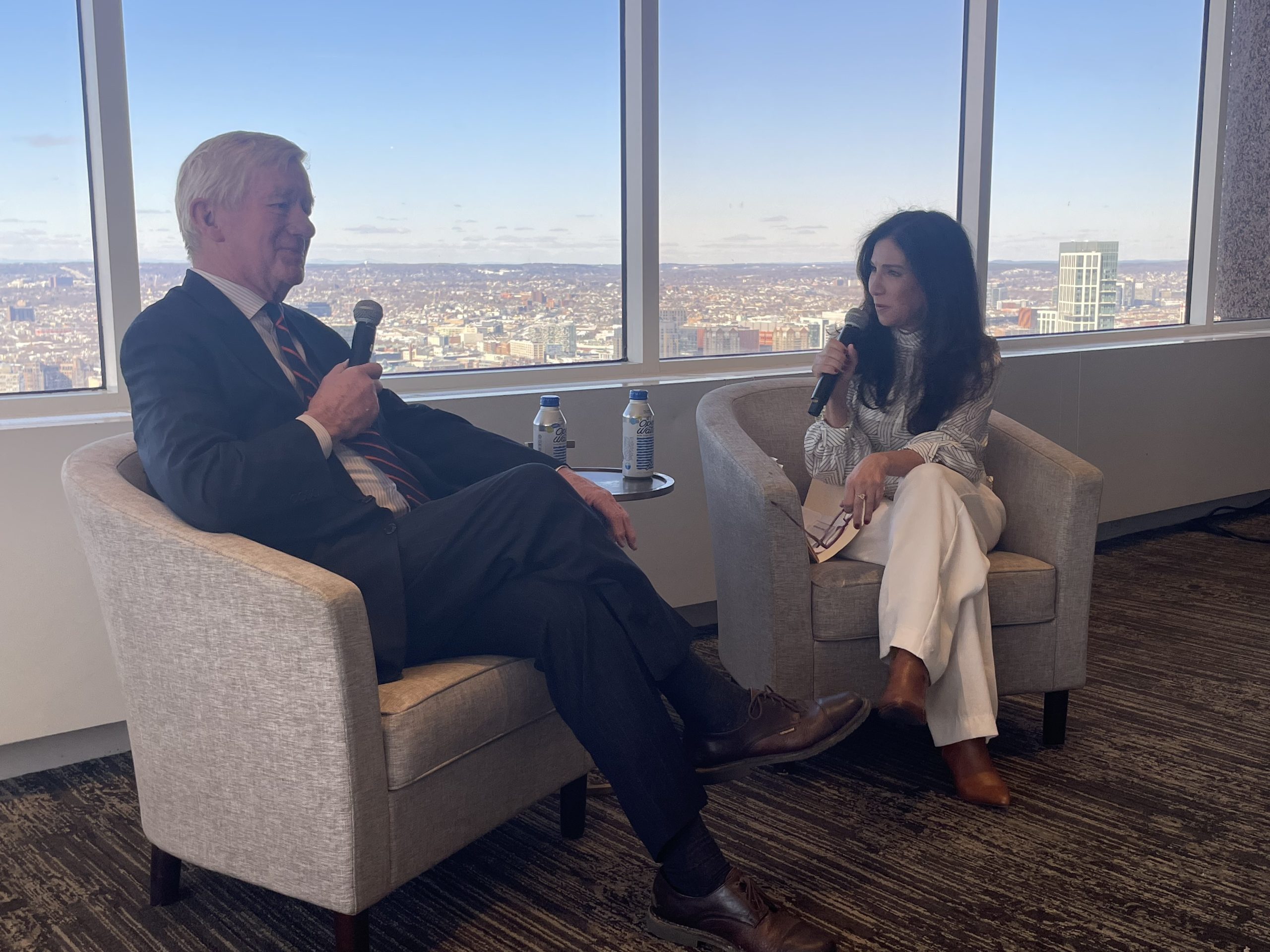
William Weld
former MA GovernorMassachusetts’ competitive advantage over the past 35 years
It was our honor to host former Massachusetts Governor William F. Weld who addressed a range of topics in a compelling conversation with Boston Hub Society member and Jonah Communications President Pamela Jonah.
Bill graciously discussed his distinguished career in government and business, and the impressive impact on the Commonwealth that still reverberates today. Members were captivated by insights based on his service as Governor of Massachusetts during the 1990s, a time when he is credited from bringing Massachusetts back from the brink of bankruptcy and drastically improving the business climate. As Governor, he cut taxes 21 times, balanced the budget without borrowing from Wall Street, reined in wasteful programs, improved state services, and signed into law one of the strongest welfare reform laws in the country. His reflections on the regulatory reforms he championed made state government a partner, not an adversary, to job creators and entrepreneurs. An avowed social liberal as well as a fiscal conversative with unequivocal beliefs that all citizens be treated equally and "there is no such thing as government money, only taxpayer money," Bill candidly offered his opinions on pioneering decisions as an early pro-choice proponent and as one of the first governors in the U.S. to advocate equal rights for the LGBT community.
Members also heard vignettes from his career journey in earlier roles including as a federal prosecutor as Assistant U.S. Attorney General in charge of the Criminal Division of the Justice Department in Washington, D.C.; U.S. Attorney for Massachusetts during the Reagan administration; as a commercial litigator in Boston and Washington to today at member and principal of ML Strategies, Mintz's government relation's subsidiary.
As the only Republican to run against Donald Trump in the 2020 presidential election, his views on today's political climate at the federal, state and city level offered both an experienced and clarifying perspective to macro social and policy issues including AI, education, trade, health care, housing, the environment and the Commonwealth's competitive edge as the global education and medical leader.

Casey McPherson
Founder & CEO of AlphaRoseFrom Sony Records to Saving Rose: Orchestrating a New Business Model for Medicine
It was an honor to host Casey McPherson, rock star turned Founder and CEO of a revolutionary biotech company AlphaRose. It was a magical and emotional evening, filled with intellectual discourse, scientific and business model innovation, live music performances by the rock star himself, a fireside chat, and acute Q&A. Despite the tears in the audience, the atmosphere was that of support, empathy, hope, and awe.
Casey performed two songs on the piano toward the end of the reception, one of his own about New York City and the other Leonard Cohen's Hallelujah. After a heartfelt intro, Casey simply told his story, and showed a video of his beautiful daughter Rose, who lost her words as a toddler and was diagnosed with a rare genetic disease. Curing Rose set Casey on the path to cure hundreds, if not thousands, of such rare genetic diseases today. Prior to having Rose, Casey's life as a musician was colored by deep personal tragedy, full of hardship and despair, till he ascended to halls of fame, with Sony records, millions of fans, and tours around the world. It was a colorful and unique story.
During our fireside chat, we discussed why many standard paths, such as donating to research labs, or merely starting a non-profit foundation, do not lead to the desired outcome: a cure now! While biotechnology like Antisense Oligonucleotides (ASOs) exists to treat millions, the traditional "Blockbuster" pharma model cannot support rare populations. AlphaRose Therapeutics, bridging the "Deployment Gap" between genetic breakthroughs and patient families using AI and an engineered modular system. By treating genetic medicine like car manufacturing, and restructuring drug assets using an investment model similar to oil royalties, AlphaRose is building a scalable infrastructure to treat the 400 million people worldwide left behind by traditional pharma.
As a final tribute, Casey performed a song he wrote for Rose on the guitar, soliciting tears from all of us from the raw humanity pouring out of the music, lyrics, and Casey's performance.
We were grateful to have Casey's cofounder Belinda Termeer, his COO Masako Nakamura, and CCO John Garcia as guests, and even they, despite their close daily working relationship with Casey, were heartened to experience other sides of Casey McPherson and engage with us in this magical evening.
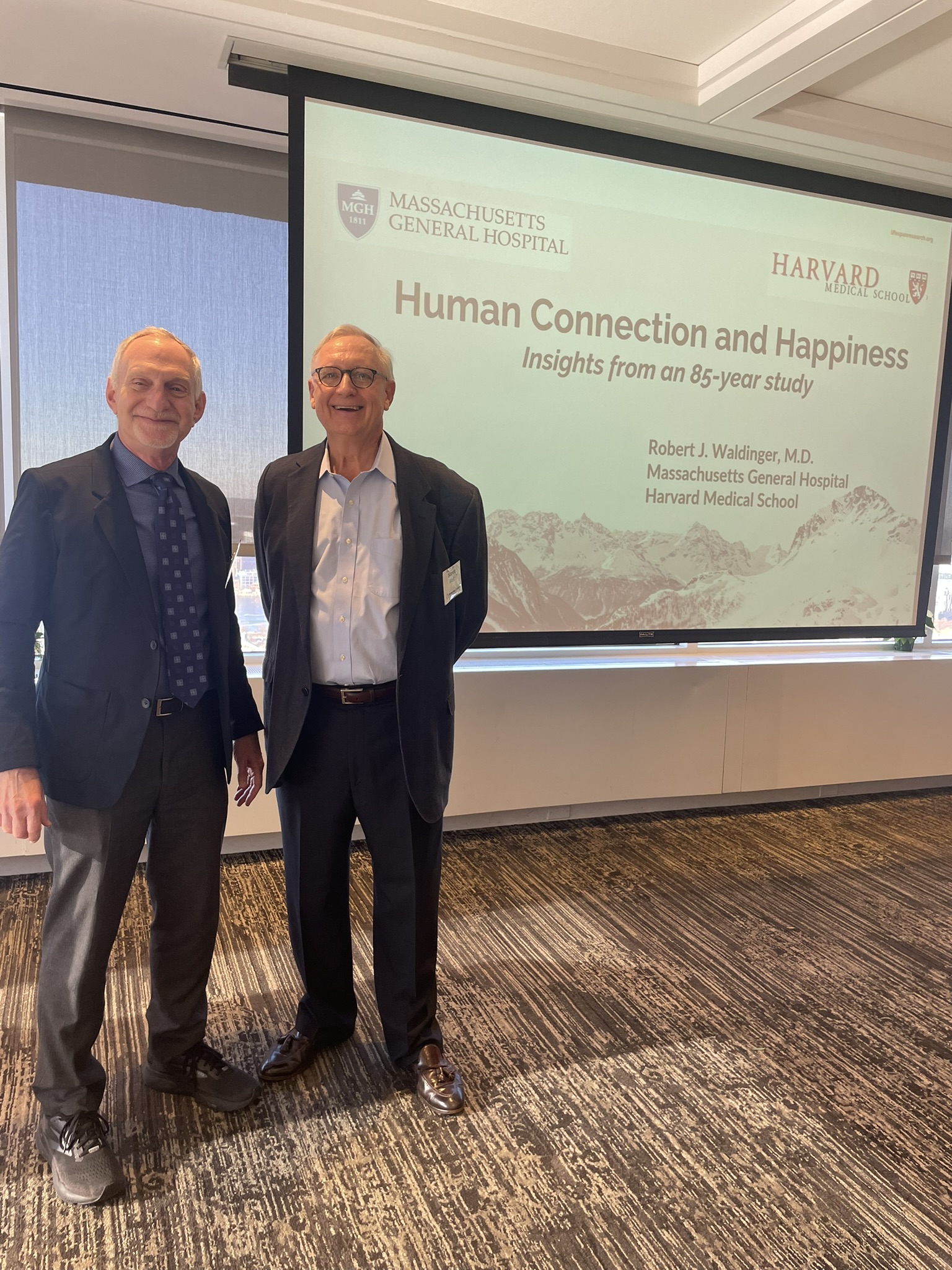
Robert Waldinger MD Professor of Psychiatry
Harvard Medical SchoolWhat Makes a Good Life?: Lessons from an 85-Year Study of Happiness
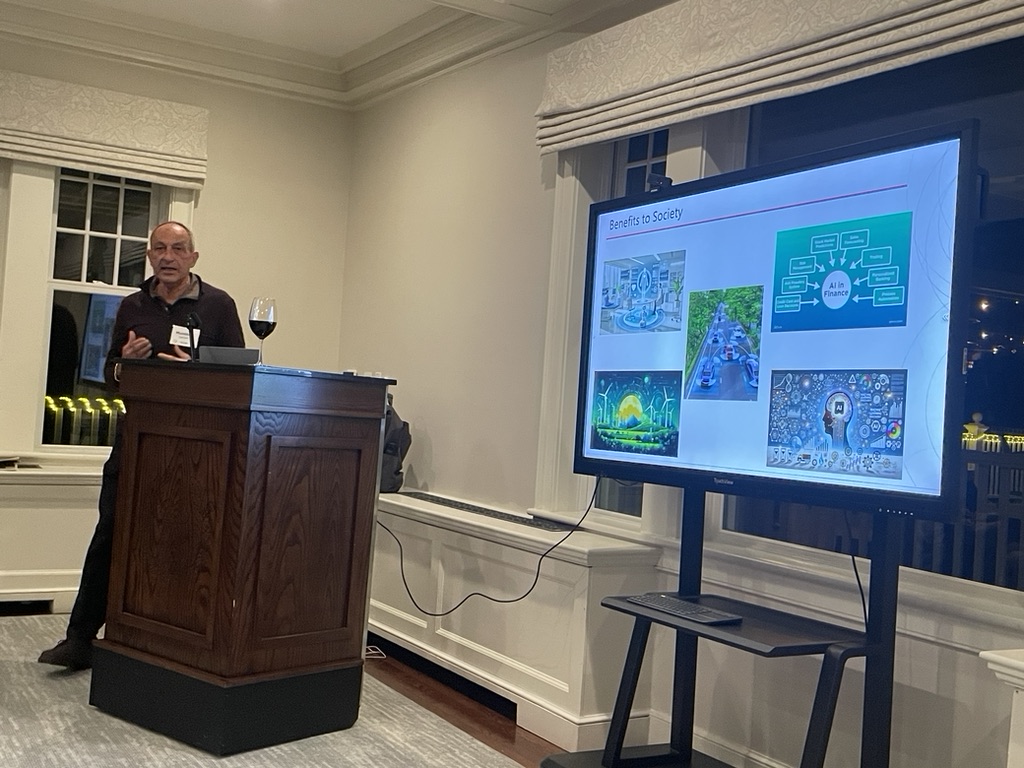
Prof. Munther Dahleh
MIT School of ComputingData, Systems, and Society: Harnessing AI for Societal Good
The Boston Hub Society was delighted to host Professor Munther Dahleh of MIT for a lively discussion on his new book, Data, Systems, and Society: Harnessing AI for Societal Good.
The evening began Munther signing copied of his book for the members, and then with a warm introduction by Jinane Abounadi, BHS member and Executive Director of the MIT Sandbox Innovation Fund. Jinane recalled meeting Munther when she was a PhD student and he was a young faculty member—then added with a laugh that it’s not every day she gets to introduce her husband of 35 years. “At least this time,” she joked, “I get to brag about his professional accomplishments.”
Munther opened with the story of how this book came to be—born out of his experience launching MIT’s Institute for Data, Systems, and Society (IDSS). Writing for a general audience, he admitted, was its own experiment: translating deeply technical work into language and examples accessible to anyone curious about the forces shaping the data-driven world.
To ground the discussion, Munther traced the history of artificial intelligence, placing today’s rapid developments in context—AI was born in the 1950s not Nov 2022 . He then explored the full AI cycle, emphasizing that data is the world’s most valuable commodity—and, perhaps, its least properly valued. He unpacked the complex interplay between data, algorithms, decisions, and feedback loops—revealing how these ingredients can amplify biases of all kinds: data, algorithmic, confirmation, and selection.
Through vivid examples, he illustrated how agent-based decision systems can introduce their own unique errors—sometimes surpassing human ones. The audience was quick to engage, diving into questions about AI-driven investment, fraud, misinformation, and the growing influence of generative AI. Munther demystified these technologies, explaining how they can—and must—be guided to serve societal goals rather than undermine them.
He contrasted reliable agentic systems like self-driving cars, which steadily improve through feedback, with generative language models, which remain less predictable and prone to inaccuracy.
The conversation extended well beyond the formal Q&A—proof of an evening that sparked both curiosity and conversation. The Boston Hub Society was thrilled with the turnout, the energy, and the thoughtful exchange that followed—a true meeting of data, systems, and society.
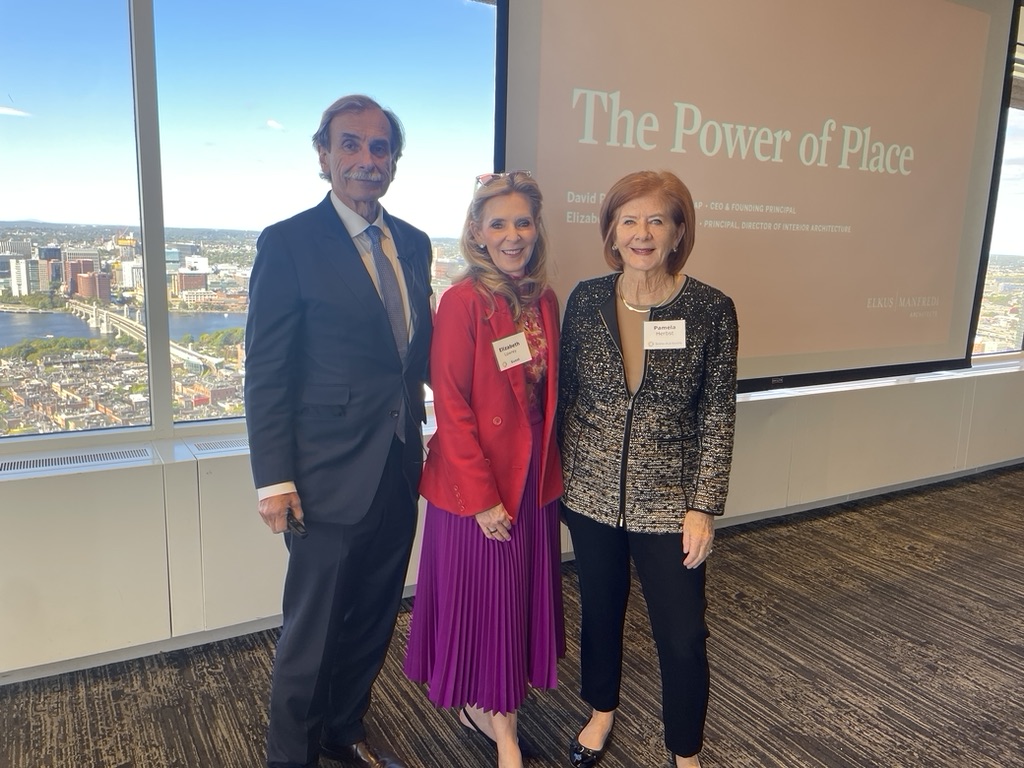
David Manfredi and Elizabeth Lowrey
Elkus Manfredi ArchitectsThe Power of Place: Reimagining the American City
We hosted David Manfredi, FAIA, LEED AP, CEO and Founder Principal of Elkus Manfredi Architects and Elizabeth Lowrey, FIIDA, RDI Principal of Elkus Manfredi Architects for a conversation on The Power of Place. Elkus Manfredi has been extremely successful working with clients across the country on a diverse portfolio of planning and design projects. The discussion examined how city planners, developers, and the community need to work together to develop successful mixed use projects, and how cities are adapting to post-pandemic realities — from remote work and high housing costs to the question of how to get employees to return to the office.
Manfredi reflected on the cyclical nature of cities, noting that while the American city is once again in decline, innovation still thrives on proximity. He described how thoughtful planning and design can transform underused areas into vibrant, mixed-use districts that bring people and communities together utilizing numerous examples of projects that they designed in Boston, Cambridge, and Houston, including commercial office, residential and medical. Lowrey emphasized the importance of creating environments that inspire people to come to work — workplaces that express culture, foster connection, and make collaboration rewarding.
The discussion resulted in many questions from members; they touched on the challenge of making real estate projects “pencil out on an economic basis” amid rising costs for debt, materials, labor, along with sustainability, resiliency and affordable housing requirements (residential); strategies for revitalizing downtown workplaces; and, how to encourage employees to come to the office other than a CEO “in office” mandate. Both speakers agreed that successful projects today demand creativity, adaptability, and strong partnerships among developers, designers, and civic leaders.
Mayor Raymond Flynn
ex Boston Mayor & Ambassador to the Holy SeeCity of Boston - Past and Future
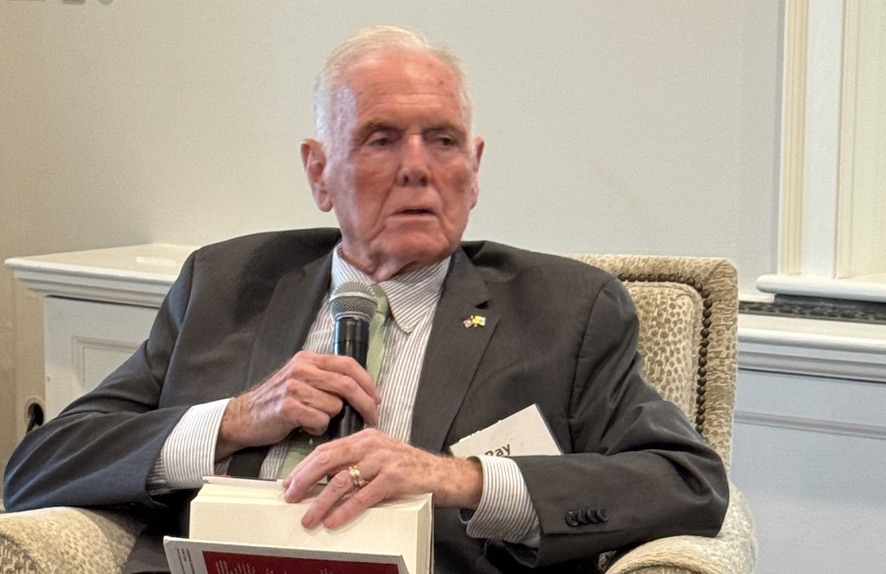
Former City of Boston Mayor Raymond Flynn spoke about his ten years as Mayor (1984 to 1993) and his four years as Ambassador to the Vatican under President Clinton (1993 to 1997). He spoke elegantly about his family emigrating from Ireland and then living in Boston's South End (where he still lives) and starting from the bottom. Asked why the New York Times rated him as the most popular and successful Mayor in Boston's History, Mr. Flynn noted that it was because "he cared about and knew the local people". Mayor Flynn spoke about his early days when he went to Providence College with a basketball scholarship and became an All-American basketball player, later playing briefly for the Celtics.
As Mayor of Boston, Mr. Flynn spoke about some of the problems he helped solve, including Boston's serious political divide from the bussing crisis, which racially divided neighborhoods; the City of Boston experiencing Urban Flight to the suburbs: the City of Boston running a large deficit financially, and homeless people on drugs at Massachusetts & Cass Avenues. He was proud of helping the homeless, even occasionally bringing some home in the winter months. BHS members found Ray Flynn a principled and caring person, unlike anybody they have known, despite the profile of his political position.
James Rheee
Johnson Chair of Entrepreneurship at Howard University, Investor/CEO, National Bestselling Author of Red HelicopterMulti-Modal Agency - Revisiting the Meaning of Fluency
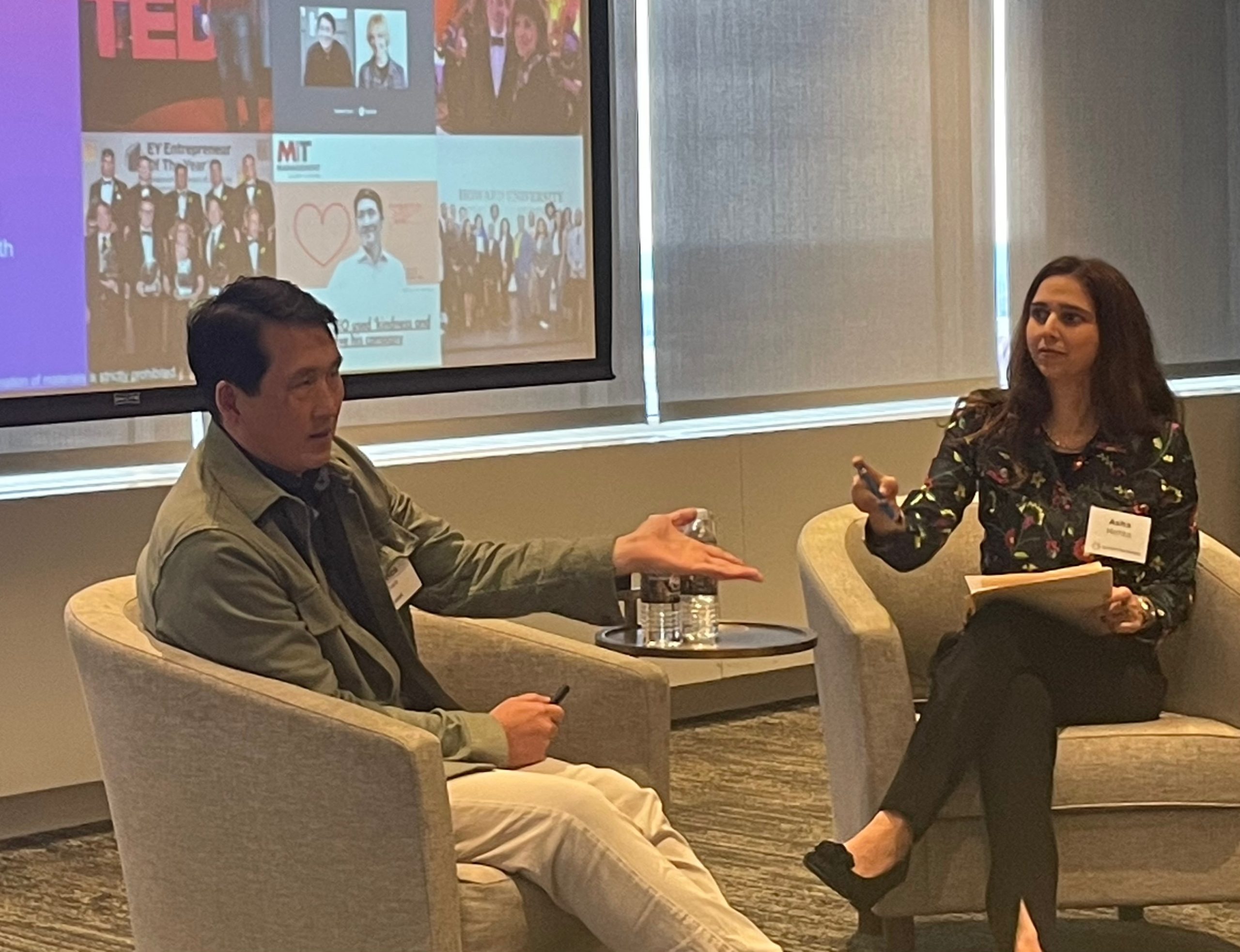
Our own Asha Mehta hosted a very special conversation with James Rhee. The room was silent and pensive, taking in an emotional story of a hard working immigrant Korean family, the heroic decision that James made to take on the plight of Ashely Stewart, and the bold vision he developed thereafter. This vision is being disseminated via James' best selling book Red Helicopter. Red Helicopter is a reference to a small toy given to James as a gift by an elementary school classmate. The classmate came from a family going through hard times, and James shared his lunch with the boy every day.
We were first treated to an original musical composition of James himself, in which James was the violin and his mother the cello. In the backdrop of James' unusual and soul-searching story, we started to hear about what he faced at every crossroads, and the choices he made -- each challenge epitomizing a systemically rigid breakdown in our society. And how emerging from these personal and professional experiences, James made it his mission to bring systems change. James states that "In a world desperate for change, too many underestimated humans—artists, entrepreneurs, scholars, and innovators—remain trapped in cycles of frustration. Systems may be broken, but waiting for them to fix themselves can only deepen the harm and allow for others, with contrary intentions, to lead. "
Through his book Red Helicopter, James Rhee shows how "radical humanity, capital discipline, and creative audacity can transform not just businesses, but whole industries and pedagogies (and potentially even societies)."
The discussion was bold and gripping. Questions ranged from what makes him feel alive as a human, how we carry humanity to our work, and how we not only give permission to the younger generations, but encourage and empower them to rethink, re-feel, and redesign systems. Reclaim your agency for your home, your work, your politics, and most vitally, your soul.

Margaret Low
CEO of WBURPublic Radio Journalism: The Promise and the Peril
by Nadia Shalaby, PhD
Stefania Mallett hosted a fireside chat (without the fire) with Margaret Low, CEO of WBUR - one of two public radio stations in Boston, alongside WGBH. Margaret had just landed from Washington DC, after their NPR week with the other 1,000 member stations nationwide, right on the heels of President Trump's executive order on May 1, 2025 directing the Corporation for Public Broadcasting (CPB) and all relevant federal agencies to "cease federal funding for NPR and PBS to the fullest extent permitted by law."
Margaret started her career at the mother ship, NPR, and has had many leadership positions in the ecosystem since, prior to her tenure as WBUR CEO. Stefania Mallett (board director at WBUR) and Margaret Low immersed us in an insightful conversation.
- Only 3% of the WBUR funding comes from federal funds (CPB)
- Situated and operating within Boston University, it benefits from infrastructure and back-end support
- WBUR has 350K local listeners, including 60K members
- WBUR produces more national programming than any other public radio station in the United States
- 6.5M listeners per week listed to Here & Now and On Point -- how? these programs are syndicated to other NPR member stations
- there are 1.6M unique monthly visitors to wbur.org
- WBUR has incredibly strict standards of vetting information and reporting language to uphold journalistic neutrality standards and be unbiased
Question was raised that over decades, NPR itself and many of its member stations have been progressively moving to the left. Margaret responded that such programs would not be on WBUR since there is an evident bias.
Another suggestion was for NPR and the member stations to "go dark" for a day or two, as did internet sites during the net neutrality battle, to emphasize the importance and value they bring to the public.
In terms of funding, even though WBUR is on solid ground, if other member stations start to close down or cut their programming, this will affect WBUR directly since it would be at risk in losing the syndication revenue of its capstone programs, such as Here & Now and On Point.

Dr. Janet Yellen
78th US Treasury Secretary, 15th Chair of US Federal ReserveFireside Chat with Asha Mehta, CFA on Economy, Trade, Global Challenges
It was an extraordinary evening.
Dr. John Mandelman
VP of NE Aquarium, Chief Scientist at Anderson Cabot Center for Ocean LifeProtecting the Blue Planet: How Ocean Conservation Supports the Blue Economy
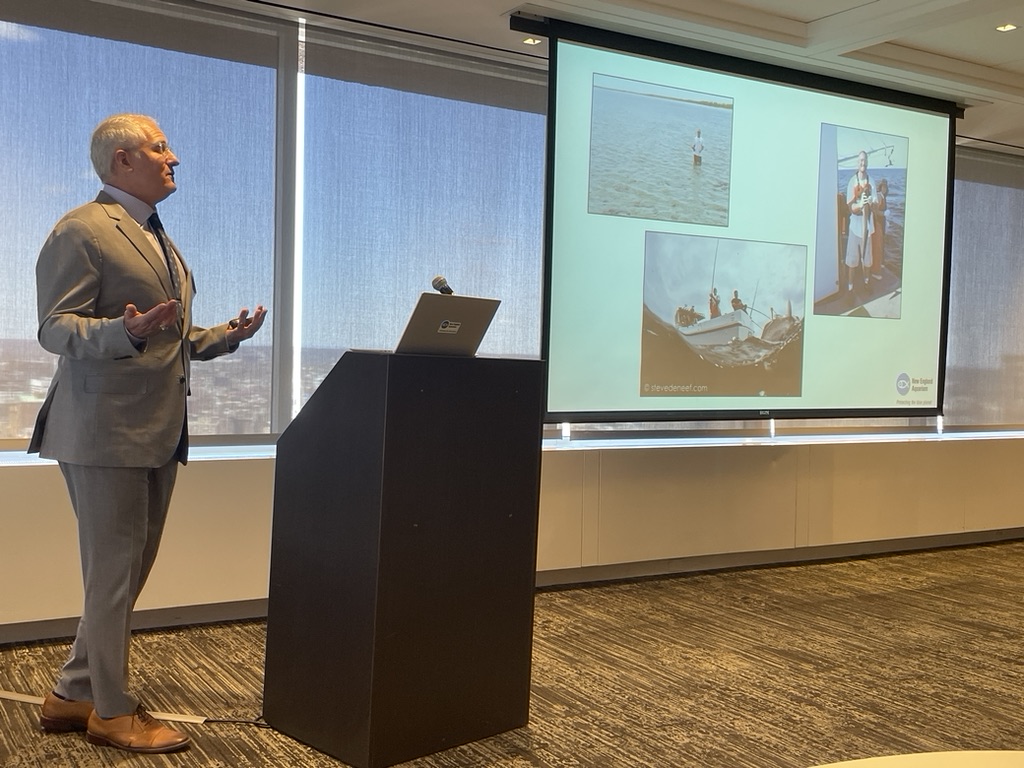
Hosted by Dr. Nadia Shalaby on behalf of the Boston Hub Society, we welcomed speaker Dr. John Mandelman, Chief Scientist of the Anderson Cabot Center for Ocean Life and Vice President of the New England Aquarium (in lieu of CEO Vikki Spruill), who spoke and the importance of the ocean to our planet and our economy, and how the Aquarium and its research arm, the Anderson Cabot Center for Ocean Life, are working to inform ocean management, policies, and industry practices that balance the use of the ocean with the protection of ocean wildlife and habitats. The discussion covered sharks, whales, the symbiotic relationship of marine research and conservation with the fishing industry, and the various innovative inventions that allow the fishermen to make their living which not trapping or harming marine life (e.g. retractable trap lines). We also discussed the role of federal funding and other private foundations funding this work.
John also mentioned the strict criteria applied by the certification agency Association of Zoos and Aquariums (AZA) to ensure strict welfare, enrichment, and habitat standards.
Additionally, Mckenna Haz, Founder & CEO of Seaav, spoke about her entrepreneurial journey to stand up a company of activewear driven by a mission to protect our oceans, where the clothes are made from recycled plastic bottles and that every purchase helps clean up our shorelines.
MIT Prof Ariel Furst
MIT Chemical EngineeringEngineering biology for sustainability and clean energy
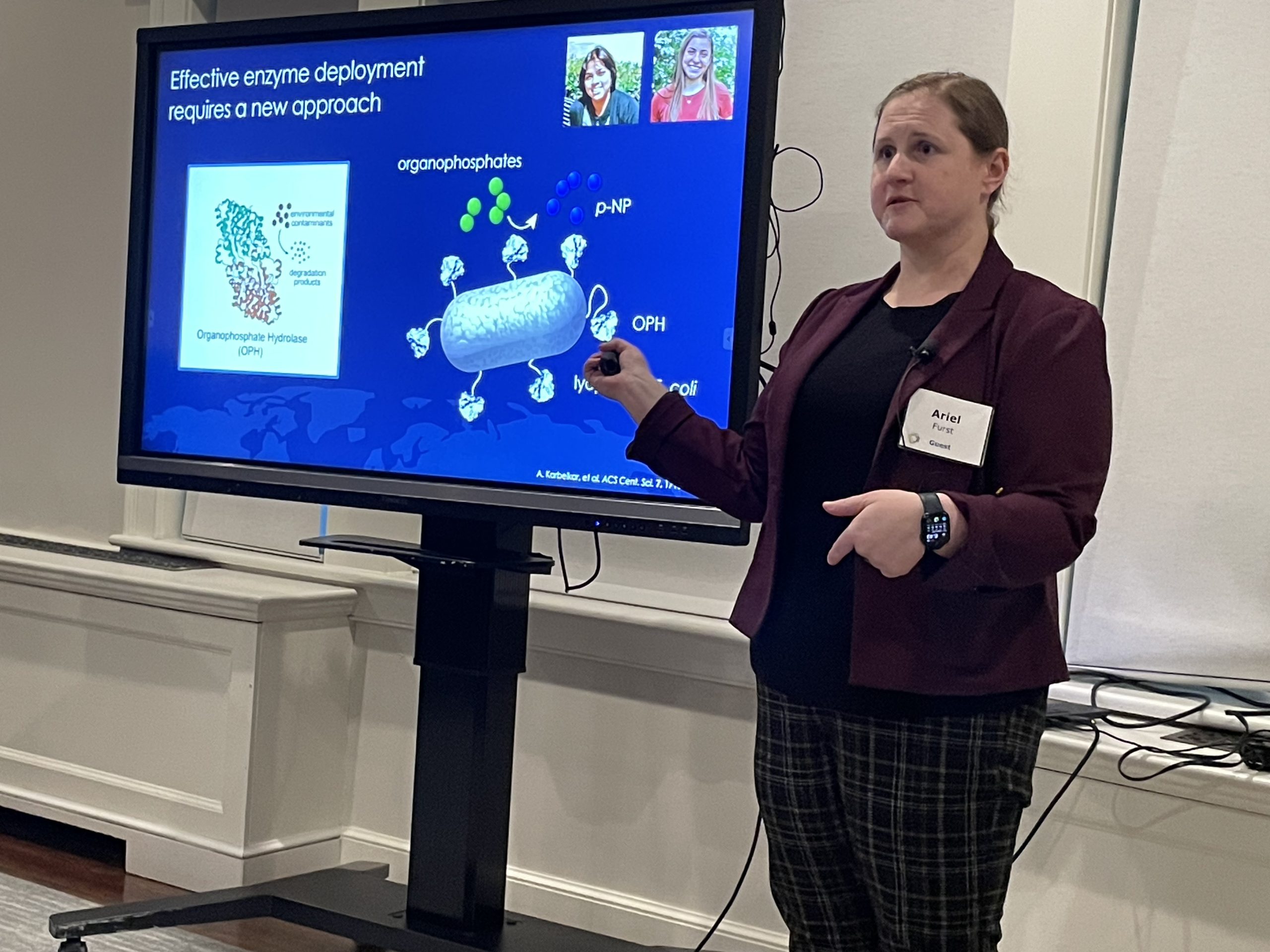
Prof Ariel Furst gave a spectacular talk on "Mighty Microbes" -- an inexpensive biological/biochemical technology platform developed in her lab at MIT to replicate the efficiency of biological processes for applications ranging from carbon sequestration to resource recovery. They found that combining materials with synthetic biology enables us to create novel technologies that outperform conventional cleantech. The applications span the gambit from rare earth element recovery, to toxic pesticide remediation, to carcinogenic pollutant degradation. They also improved electrochemical conversion of CO2 to valuable products, decreasing the energy required. They also developed food-derived materials that enable the protection of beneficial microbes to enable their use in agriculture and human health. There are already two startups that have spun out of her lab, and Nadia Shalaby wrote two articles on how this work can solve for food sufficiency in Africa
- Fertilizer Production & Food Self-Sufficiency in Global Growth Markets
- Deep Techy Mighty Microbes for Africa
Ariel L. Furst is the Cook Career Development Professor of Chemical Engineering at MIT. Her lab combines biological, chemical, and materials engineering to solve challenges in human health and environmental sustainability. They develop technologies for implementation in low-resource settings to ensure equitable access to technology.
Jonathan Acquaviva
Pelicargo, IncAir Freight - Digitization of a Hidden Industry
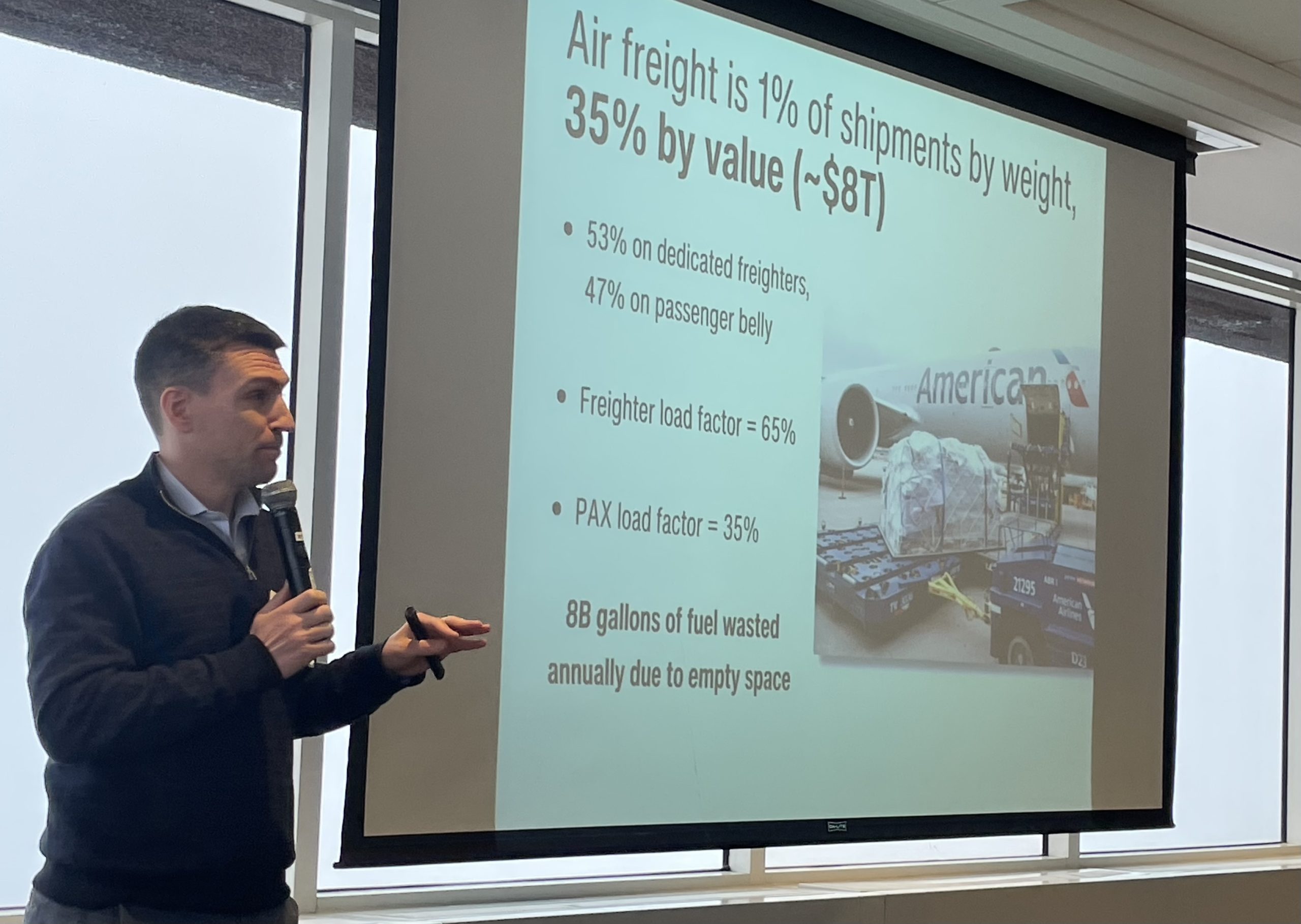
The talk focused on Global Logistics and Air Freight, where we explore the critical role logistics plays in the global economy, contributing 7-10% of US GDP and up to $12 trillion globally. With a focus on air freight—which despite comprising less than 1% of global shipments by weight, accounts for 35% of all shipments by value—we’ll analyze its impact, challenges, and opportunities.
Key topics included:
- The economics of air freight and why airlines should optimize cargo operations.
- Cargo types and the complexities of the value chain, from agents and warehouses to customs.
- Pricing dynamics for large and small companies
- The transformative potential of technology, including AI, machine learning, predictive forecasting, and API integrations.
Innovation is reshaping air freight operations - one of the most dynamic sectors of global trade!

Professor Roberto Rigobon
MIT Sloan School of ManagementThe EPOCH of AI - New research measuring the complementary skills to AI
We focus on identifying the skills that complement artificial intelligence. Our approach examines the statistical limitations of universal approximation functions - the fundamental piece behind the estimation of machine learning. Rather than simply focusing on which tasks AI can replace today, we aimed to explore what AI cannot do now at all. Not now and may never be capable of. We believed that if humans are to coexist with machines, they must perform tasks that complement, rather than substitute, AI technology.
To understand what these complementary 'human skills' are, we conducted extensive interviews with sociologists and psychologists. From this, we developed a framework called E.P.O.C.H., which groups these skills into five categories:
1. Empathy/Compassion/Connectedness,
2. Presence/Network,
3. Openness/Judgement/Ethics,
4. Creativity/Imagination/Art, and
5. Hope/Vision.
The presentation had ZERO math and emphasized the findings and its policy implications.
US Congressman Seth Moulton
United States CongressPost Presidential Election: Democratic party politics & next administration
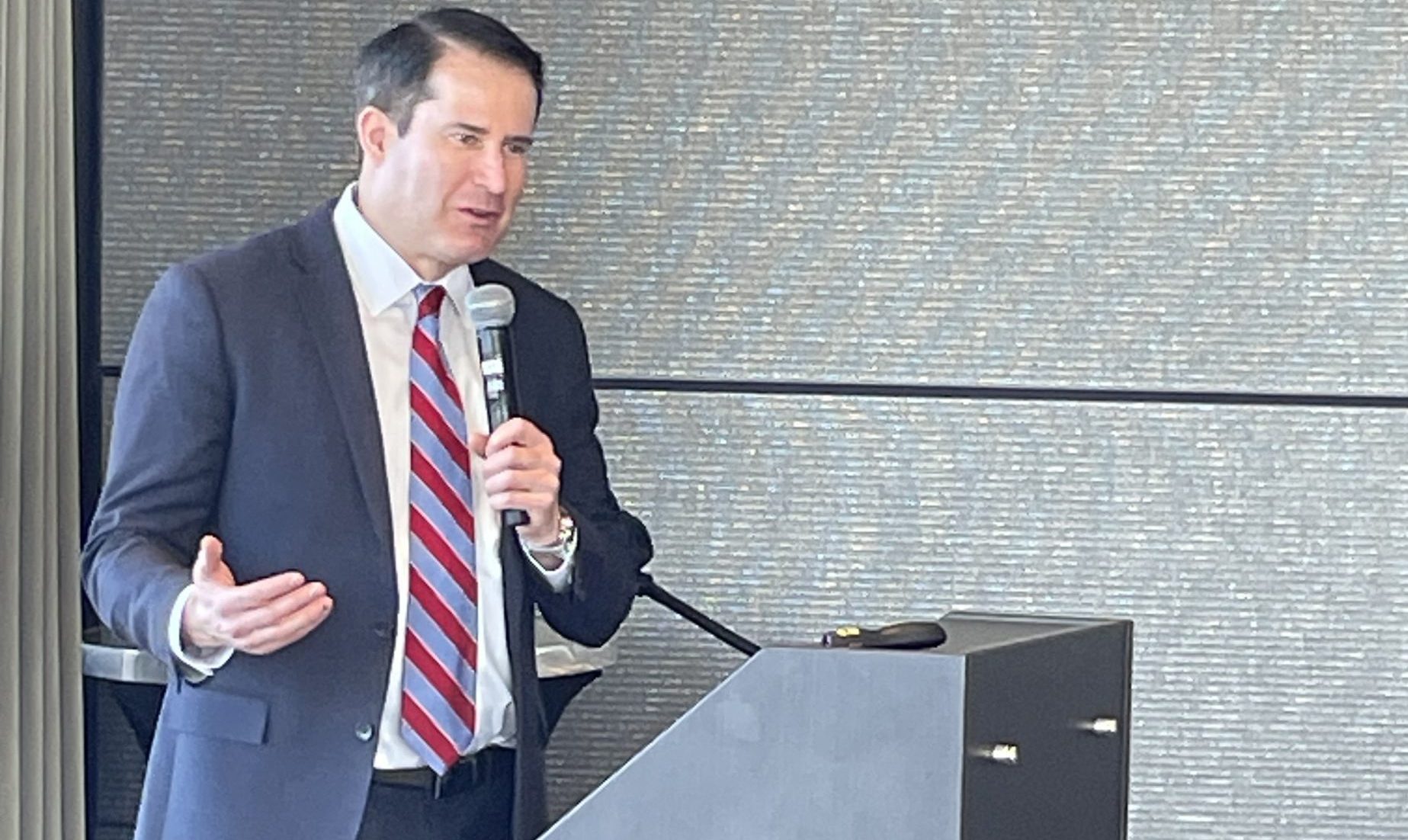
US Congressman for 6 terms since 2015, a former Marine, and Harvard Physics alum, Seth Moulton candidly discussed his views on the current state of his Democratic Party, the necessity for open discourse, how to work with the upcoming Trump Administration, and that he is an American first. Topics raised by the BHS audience covered the gamut from the importance of contentious discourse in higher education, foreign policy concerning Iran, Syria, Gaza and Israel, China and Taiwan, Russia and Ukraine, as well as the federal deficit, government spending and the merit of DOGE, and what citizens can do today to champion their causes.

Robert Mahari
MIT Media Lab and Harvard Law SchoolComputational Law: Reimagining Legal Systems with AI
The legal profession has remained largely unchanged by technology, but the traditional legal service model is failing to meet needs across society. The global access to justice crisis highlights the inadequacy of a system that relies solely on highly trained attorneys who are unaffordable to most. Similarly, businesses face unsustainable legal expenses due to a reliance on bespoke services from outside counsel and in the United States most small to medium sized enterprises are not adequately served by legal experts. The absence of technological efficiency in legal practice is mirrored by a lack of computational methods in legal academia, and advanced computational methods have yet to be deployed in a legal context at scale. Meanwhile, the regulatory framework underlying law is antiquated, failing to reflect the pace and complexity of modern societal and technological changes. This lag complicates the governance of new technologies and business models, leading to gaps in legal protection and compliance challenges. This talk will present several research projects that leverage computation to further our understanding of legal systems, improve the practice of law, and aid in the regulation of new technologies like AI.

Dina Sherif
Executive Director, MIT Legatum Center for Development and EntrepreneurshipNew Frontiers: Opportunities and Trends in Global Growth Markets
Out of the top 20 fastest projected growing economies in the world in 2024, every single country is in a global growth market. Guyana tops the list! 86% of the world's population lives outside the Western (industrialized) world today -- 6 billion people, where the median age is 25! And yet this abundance, dynamism, and growth, is lacking attention and investment.

Lloyd Thompson
ex-VP GE Airbus ProgramsGE History, Industrial Innovation, and Leadership
Walk through 130 years of GE history from its inception, growth, industrial innovation, expansion into other sectors, acquisitions, divestitures, legendary CEOs, and the leadership, strategy, and culture they built as the GE trademark.
Iqbal Quadir
Founder, Grameen Phone; Founder, MIT Legatum Center for Development and EntrepreneurshipMobilizing Humanity
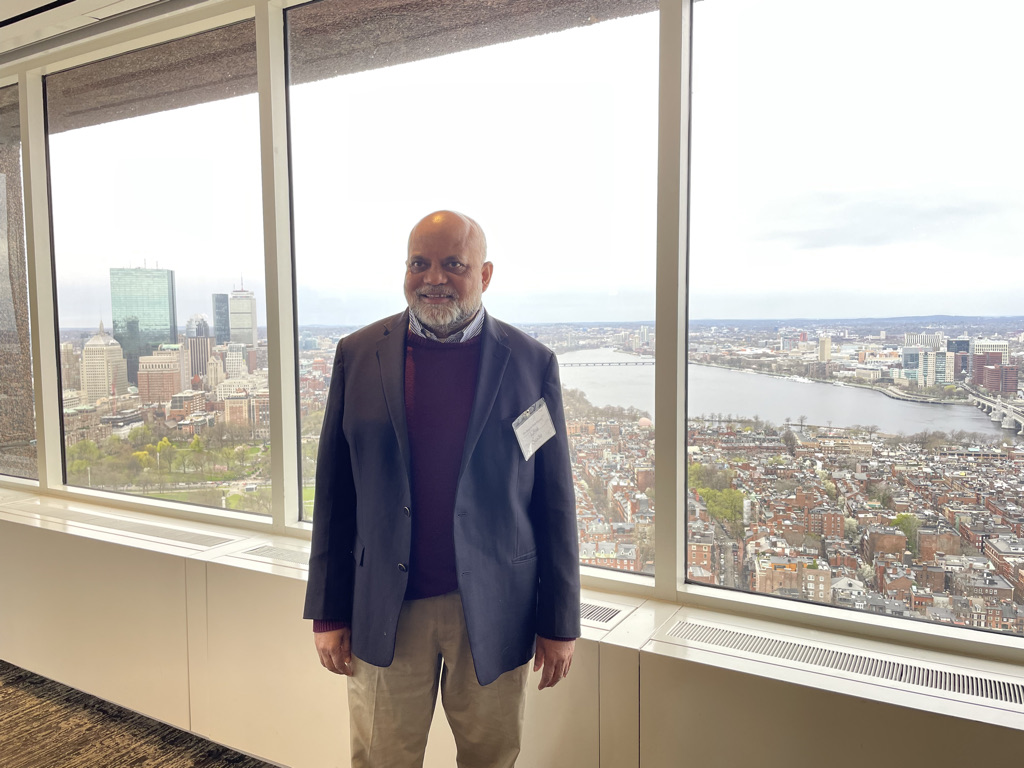
Lifting the GDP of the entire country of Bangladesh via entrepreneurship and self empowerment. Not the elite, rather the poorest and most disenfranchised population.

Ray Stata
Founder and ex-Chairman and CEO, Analog DevicesSemiconductors: Industry in Transition
History of semiconductors from triode vacuum tube to transistors to integrated circuits. From in house fabrication to outsourced semiconductor manufacturing with TSMC. How Analog Devices was intertwined in this historical development over the last 60 years with many product lines in different fields and applications. The current surge of AI all fueled by semiconductor power and perfromance.
Patties Maes
Professor of Media Arts and Sciences, MIT Media LabOpportunities and Perils of Generative AI
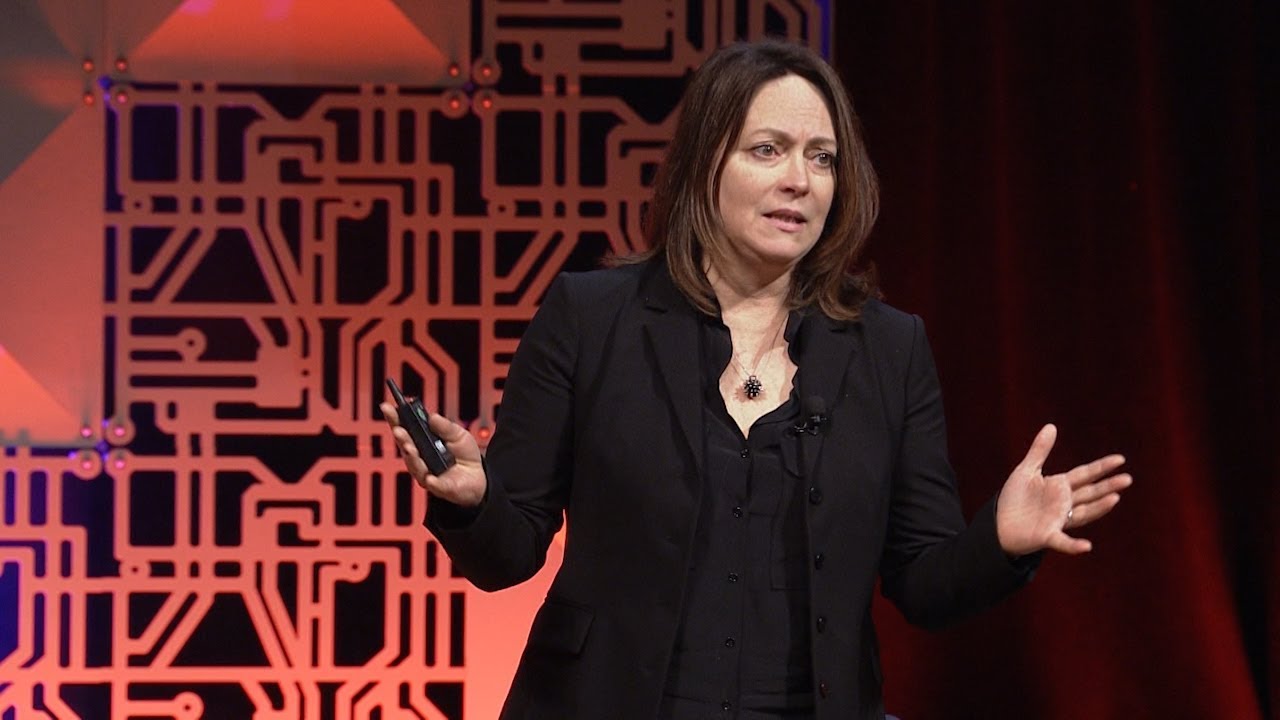
How can generative AI affect humanity? What is true and what is fake? How do we deal with errors? How can we use AI to work synergistically with humans?