professional, social, intellectual society of diverse leaders
seeking excellence, knowledge, exchange of ideas, and close relationships with prominent experts across many fields, primarily in the greater Boston area
About Us
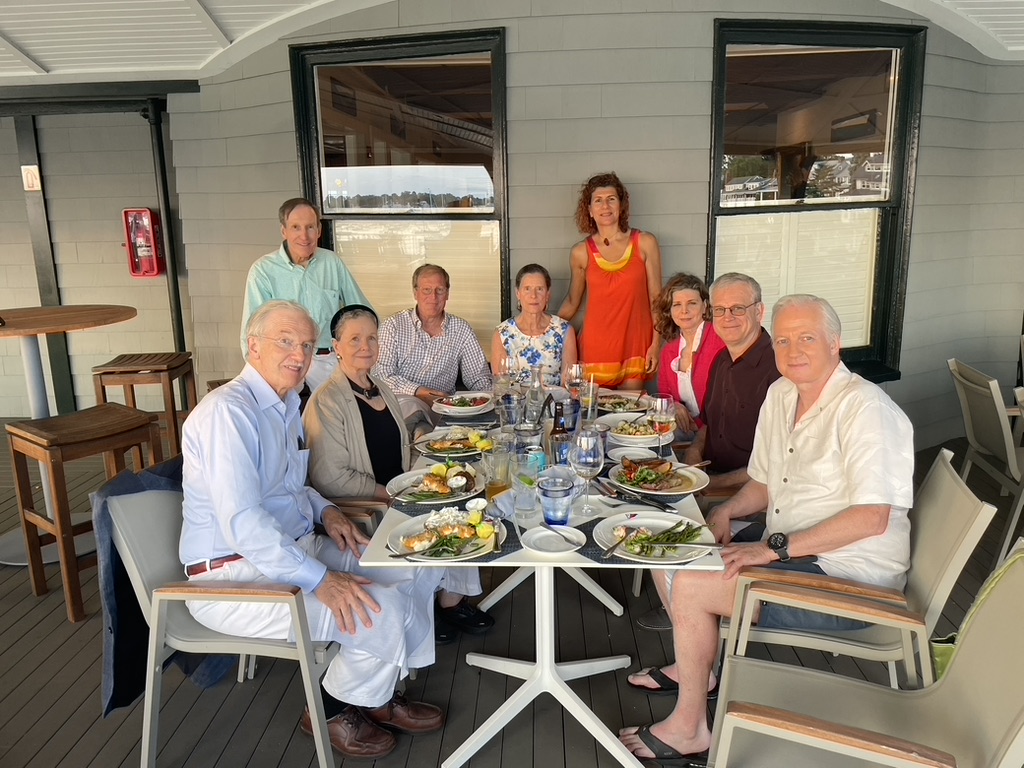
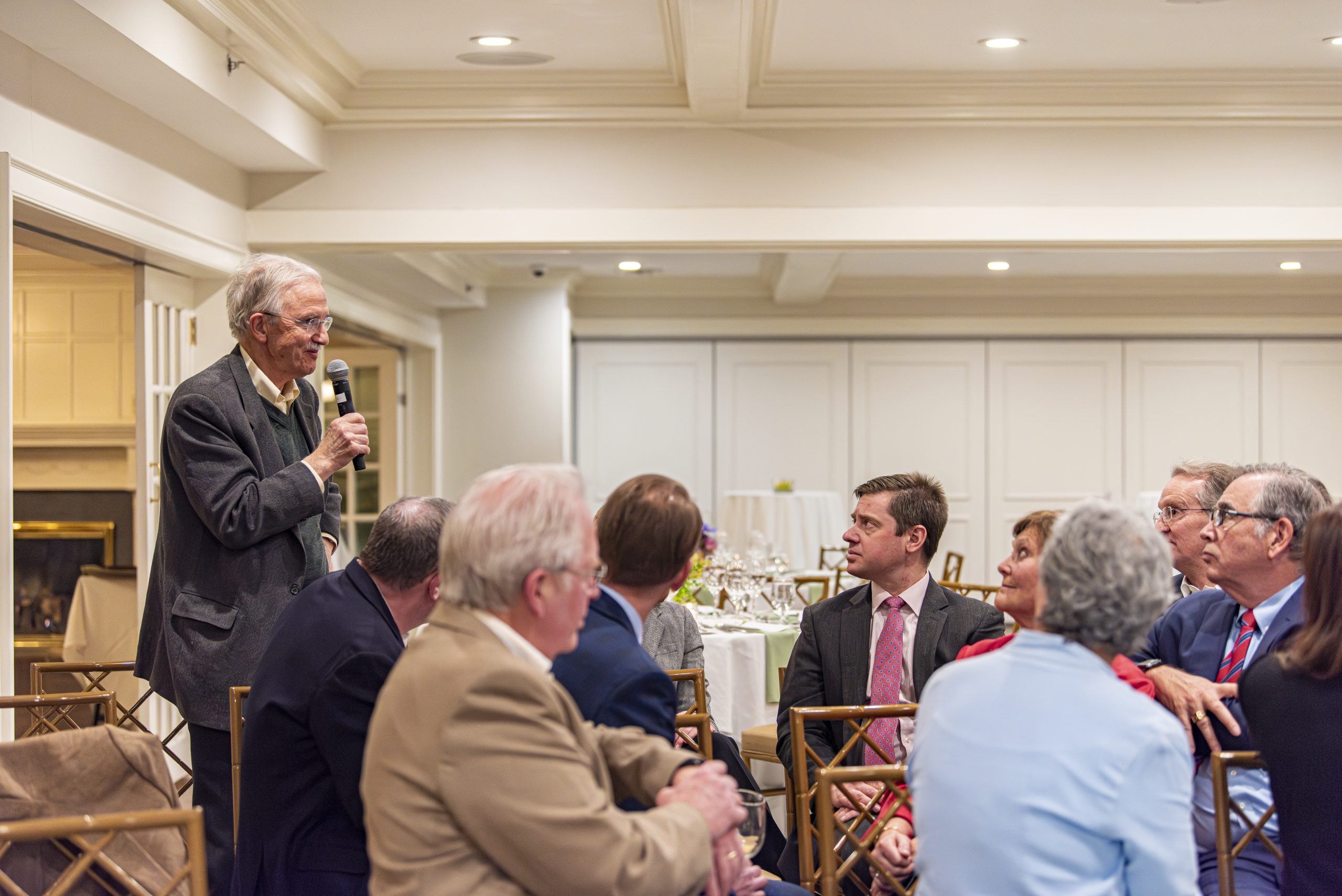
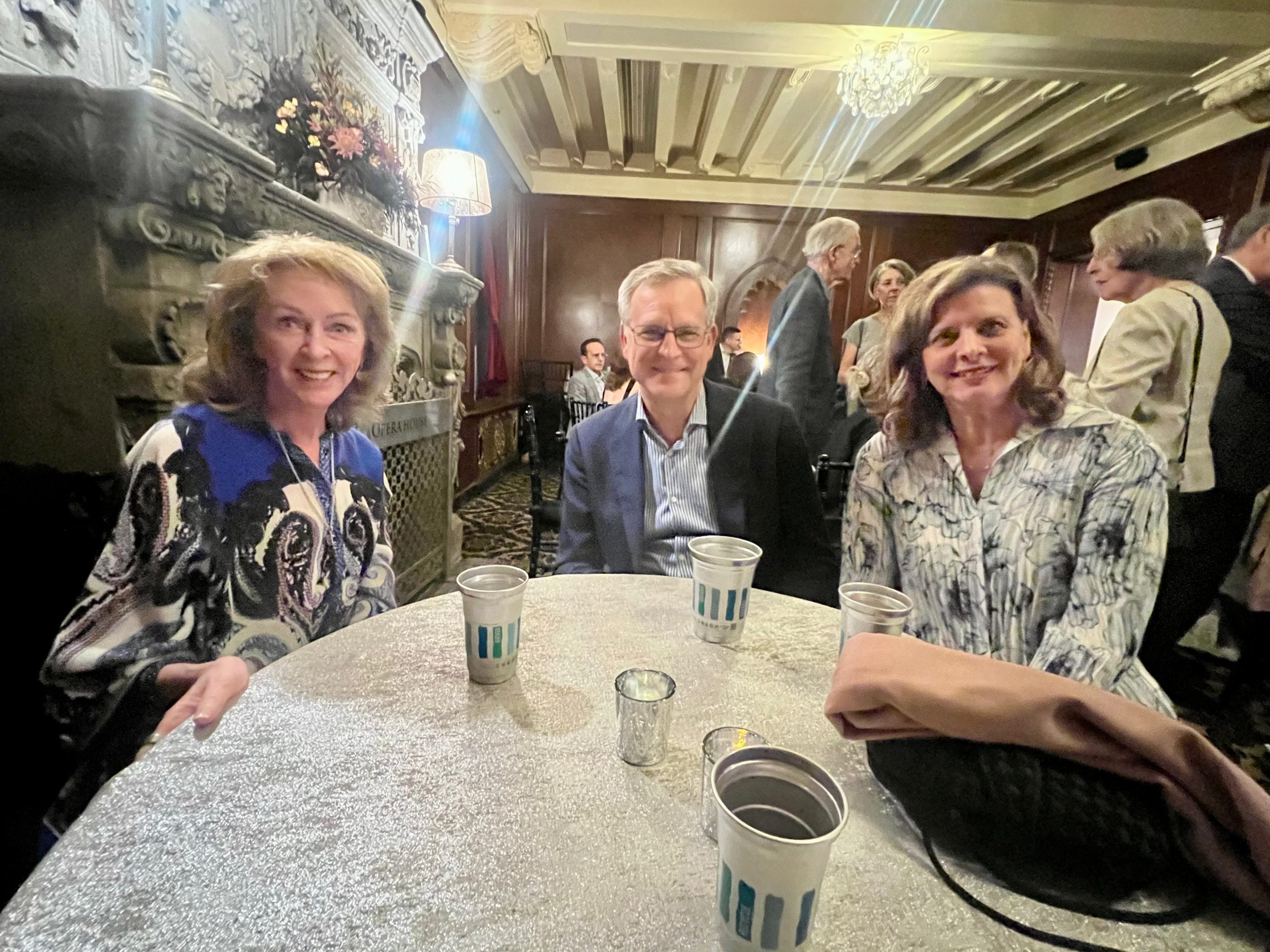
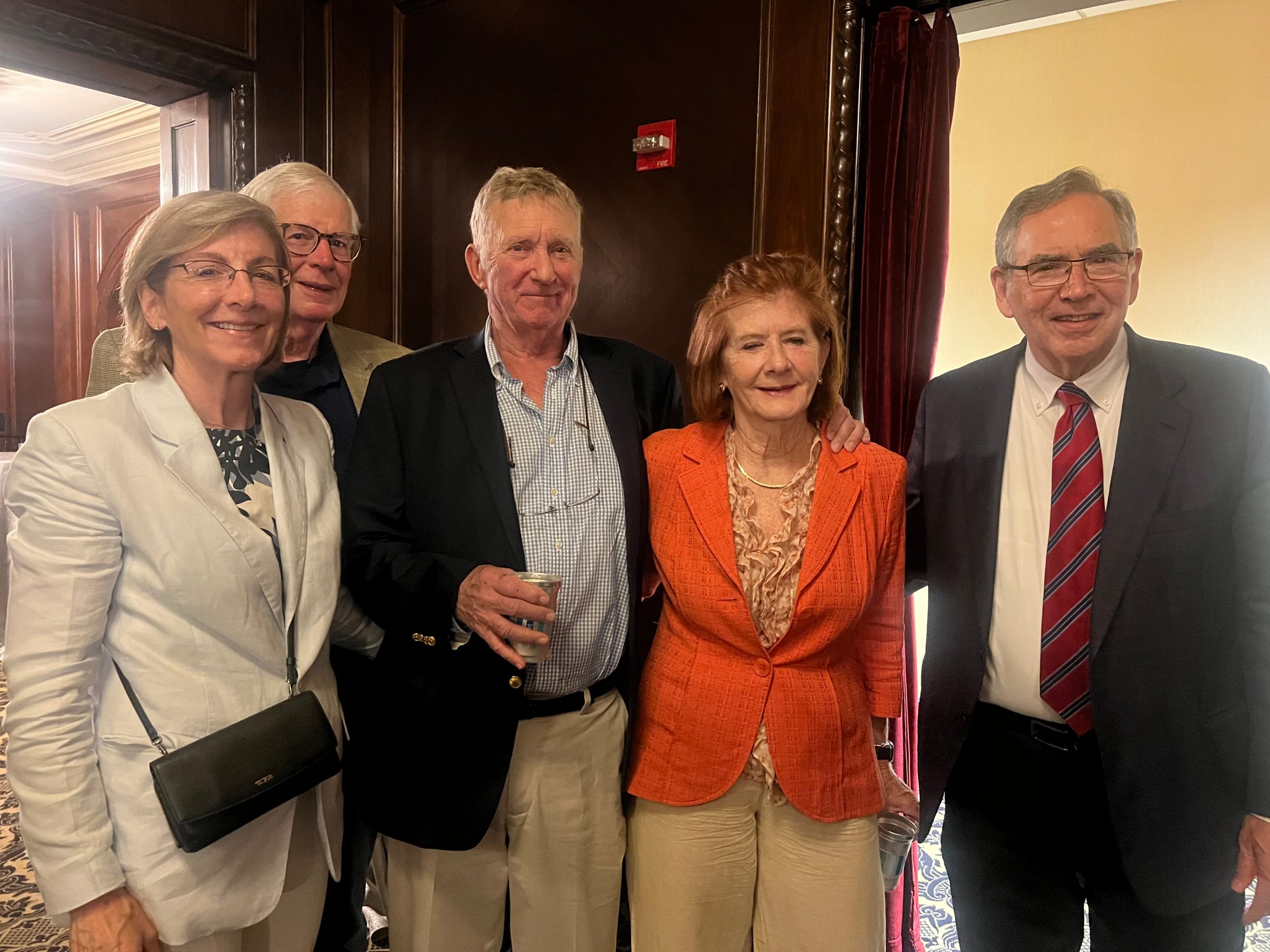
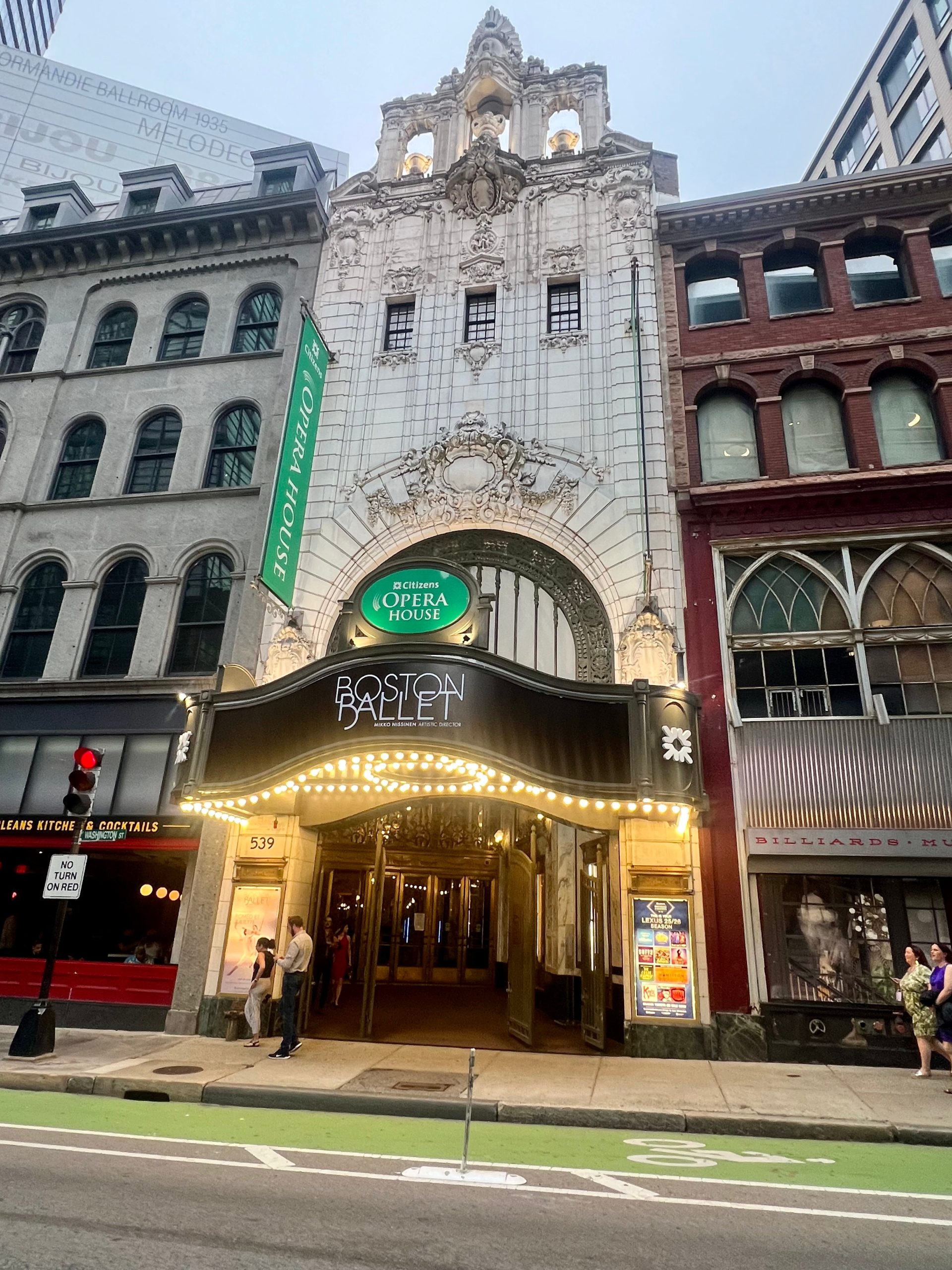
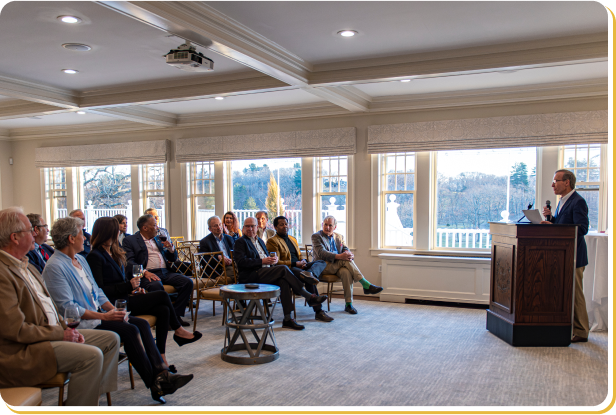
The Boston Hub Society was founded in 2022 as a professional, social, and intellectual club in the greater Boston area to bring together a diverse group of leaders across a wide spectrum of professions and expertise to enjoy a forum for ideas, discussion, and camaraderie. We meet monthly and aspire to host the most prominent speakers to expand our inter-disciplinary knowledge and debate challenging topics.

Leadership




Select Speakers
Prominent speaker programs across all fields, domains, and industries.
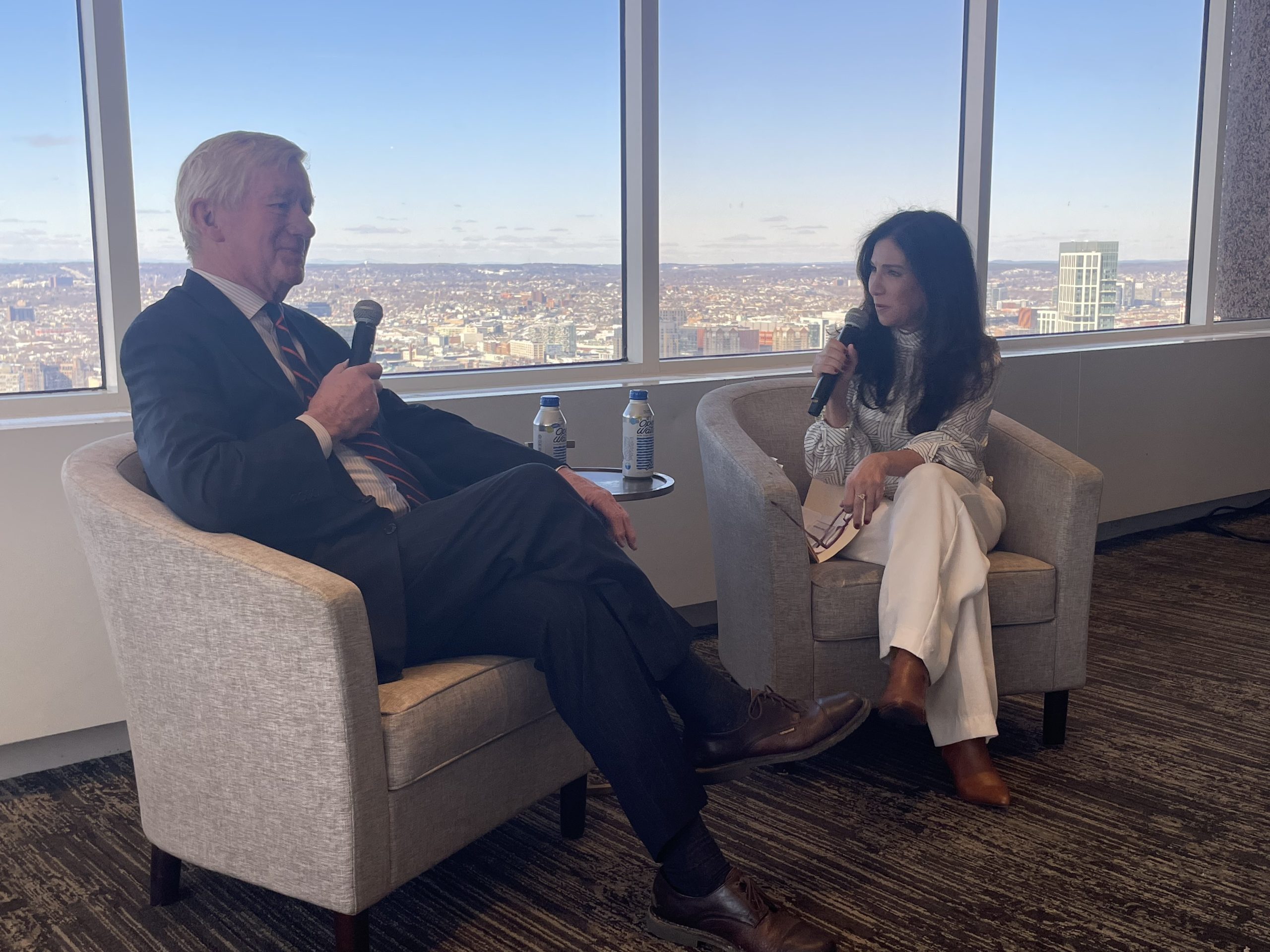
William Weld
former MA GovernorMassachusetts’ competitive advantage over the past 35 years
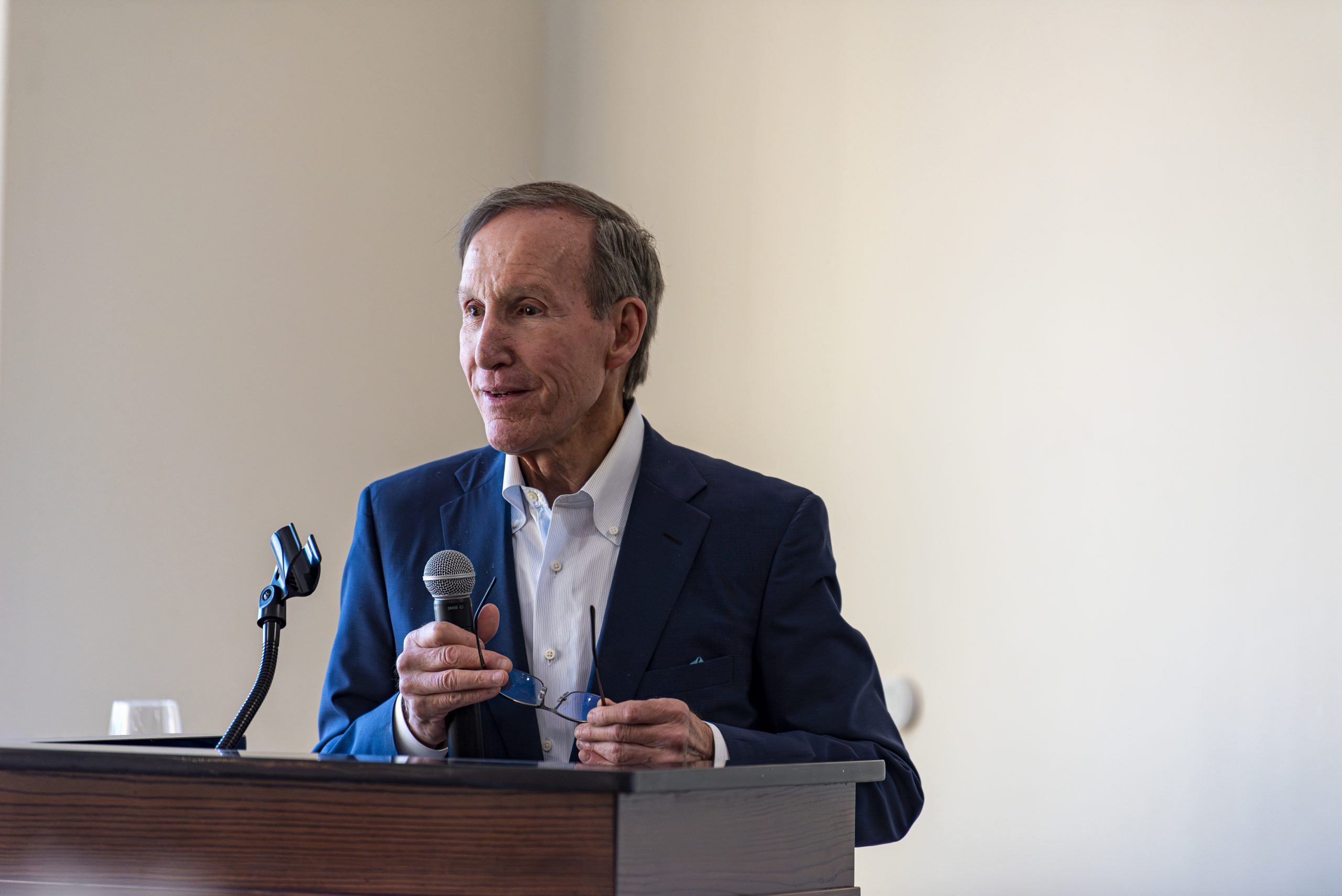
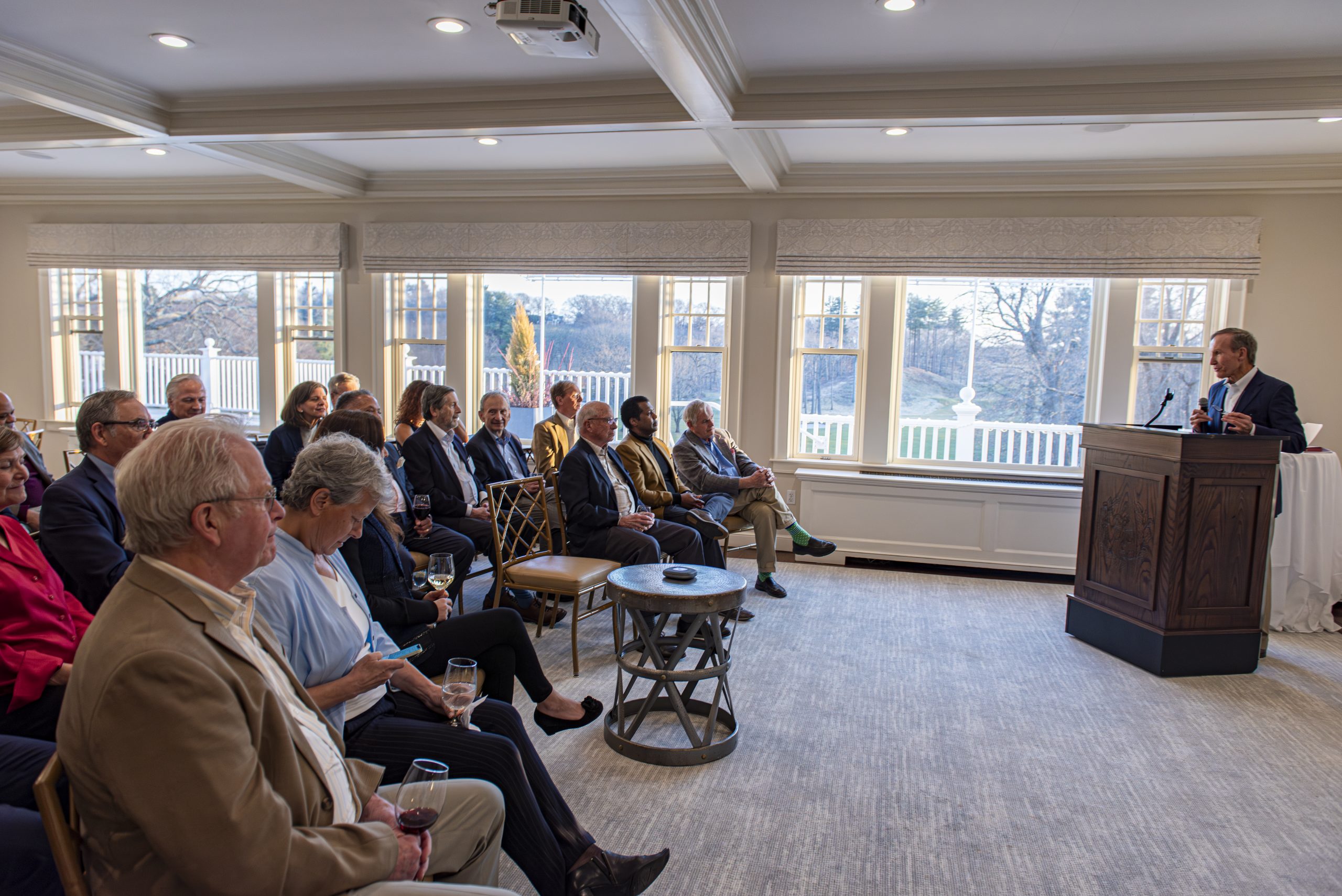
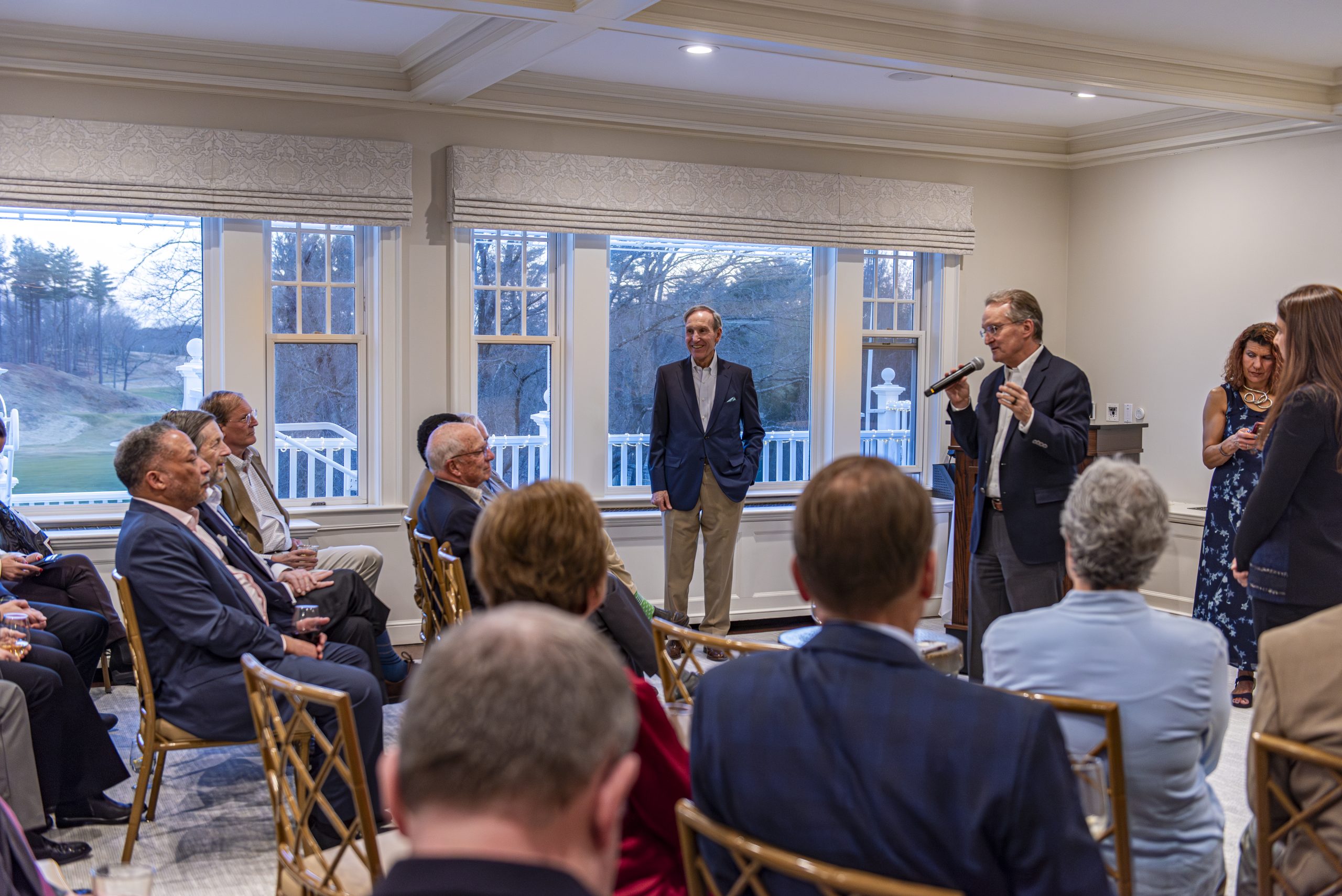
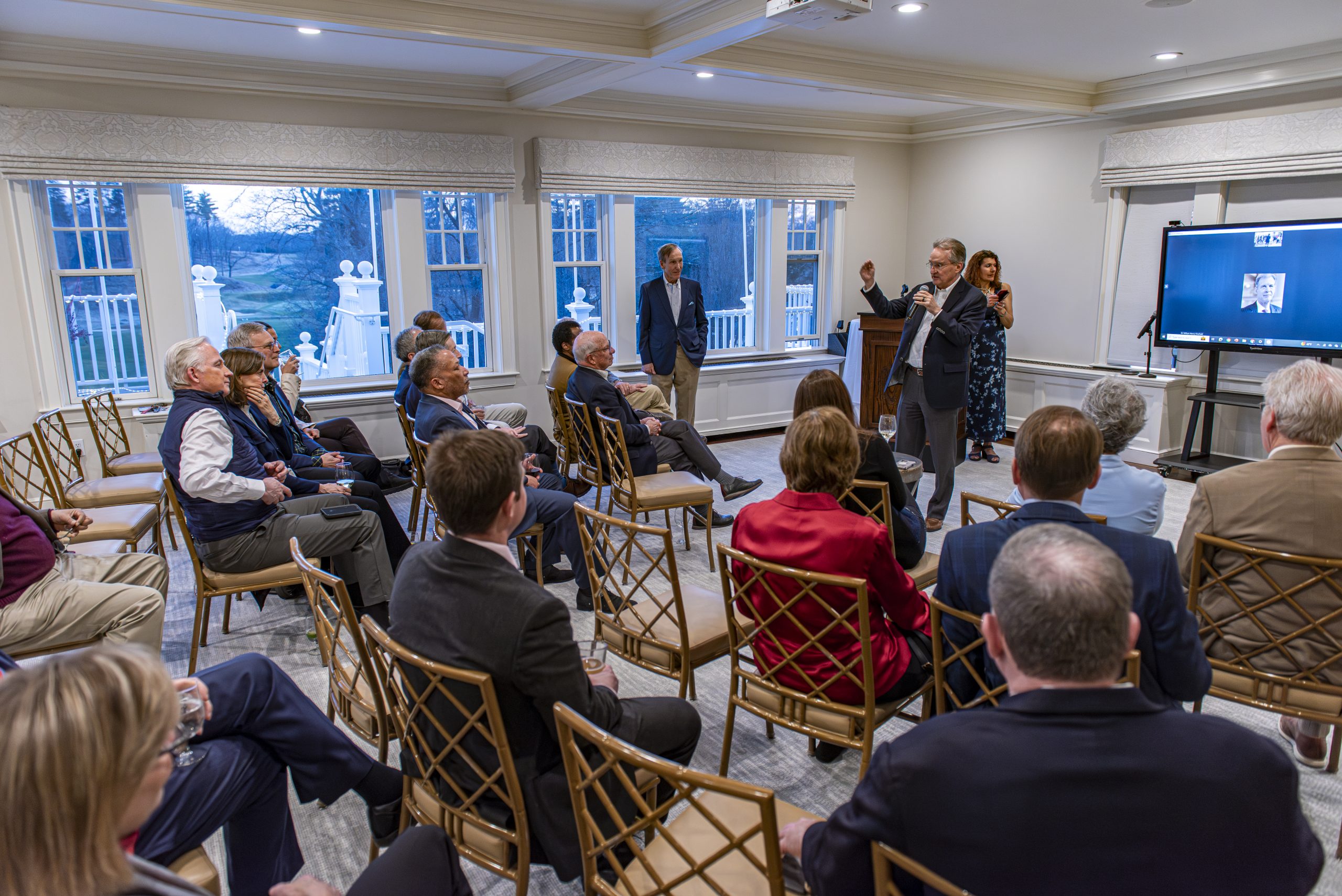
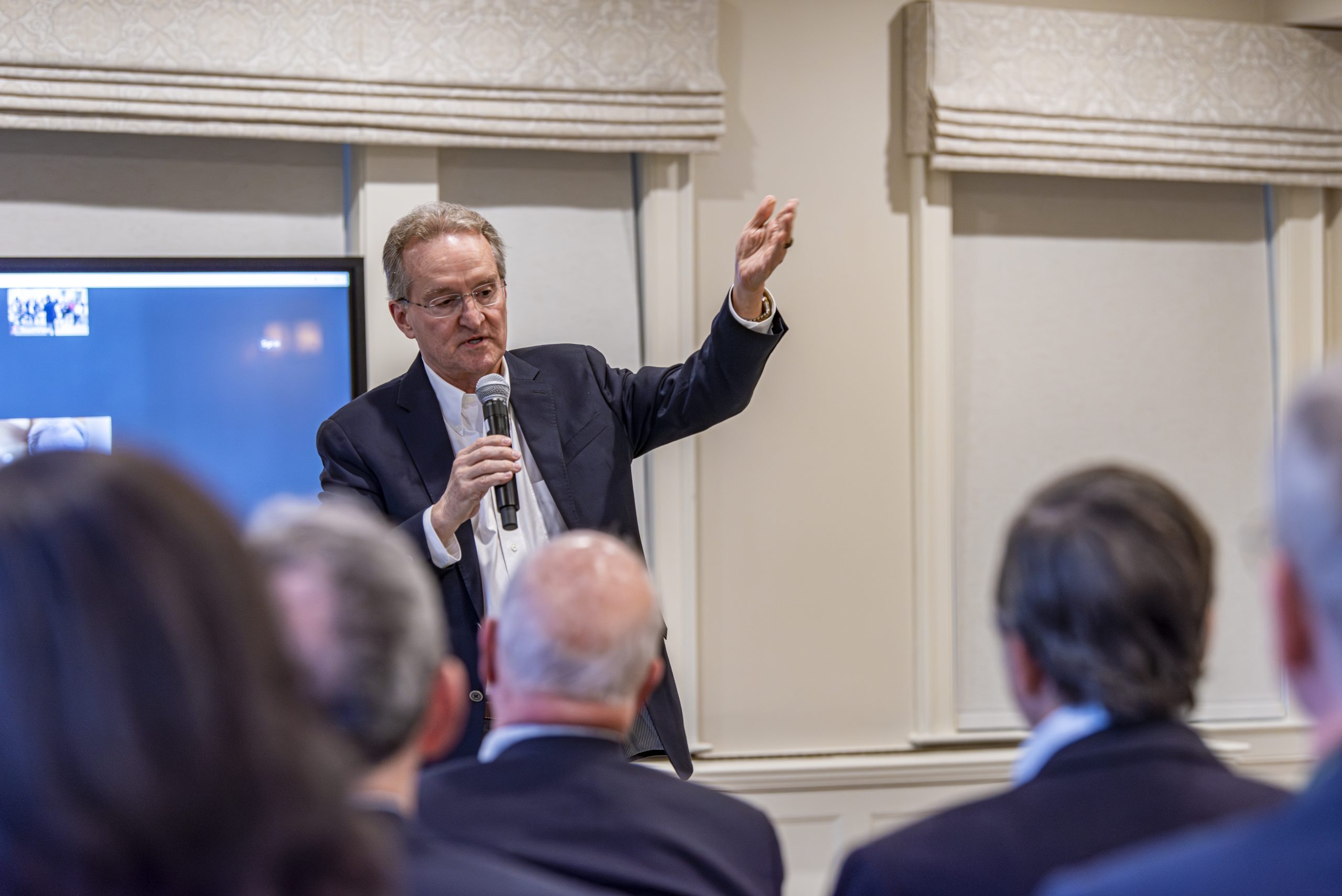
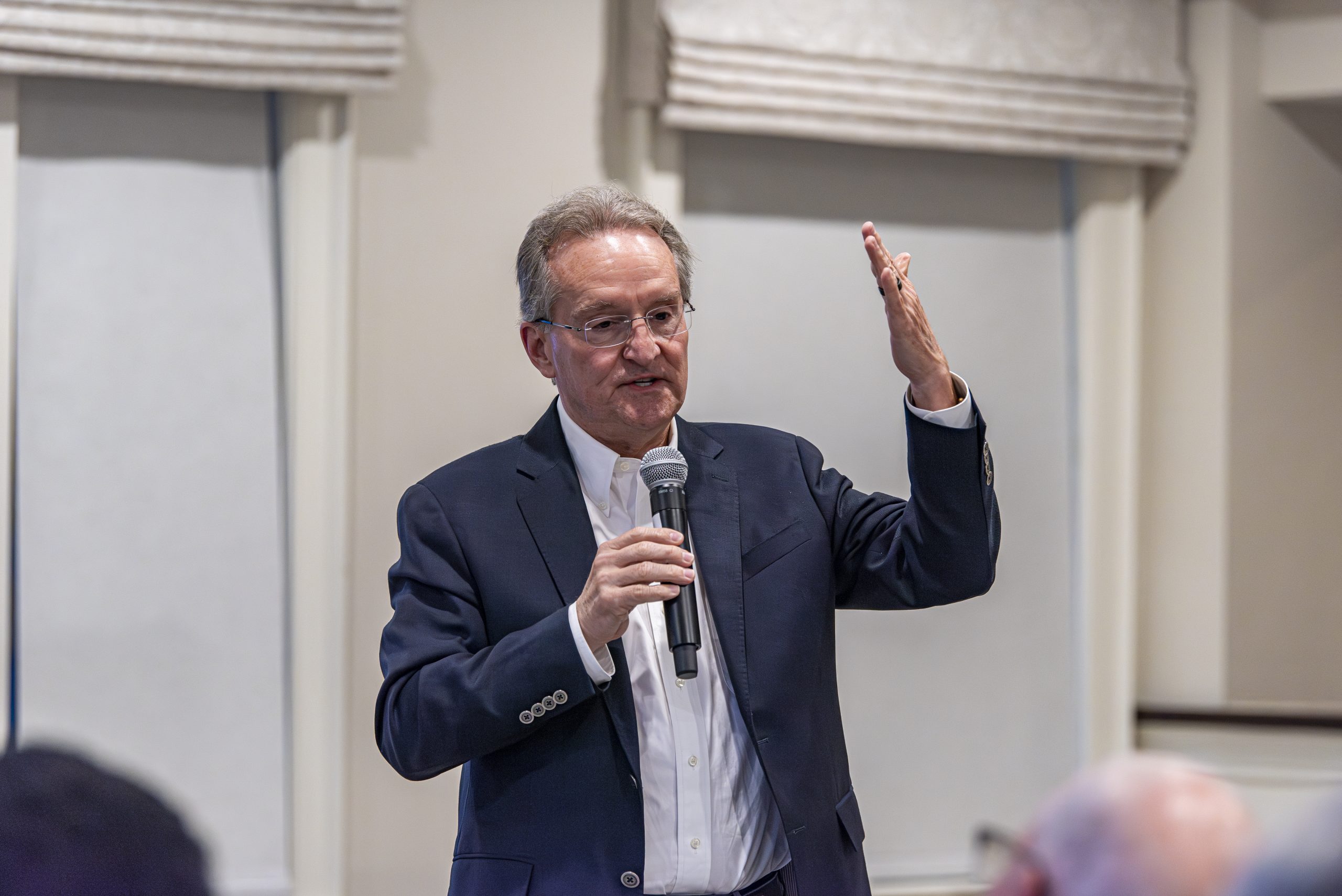
It was our honor to host former Massachusetts Governor William F. Weld who addressed a range of topics in a compelling conversation with Boston Hub Society member and Jonah Communications President Pamela Jonah.
Bill graciously discussed his distinguished career in government and business, and the impressive impact on the Commonwealth that still reverberates today. Members were captivated by insights based on his service as Governor of Massachusetts during the 1990s, a time when he is credited from bringing Massachusetts back from the brink of bankruptcy and drastically improving the business climate. As Governor, he cut taxes 21 times, balanced the budget without borrowing from Wall Street, reined in wasteful programs, improved state services, and signed into law one of the strongest welfare reform laws in the country. His reflections on the regulatory reforms he championed made state government a partner, not an adversary, to job creators and entrepreneurs. An avowed social liberal as well as a fiscal conversative with unequivocal beliefs that all citizens be treated equally and "there is no such thing as government money, only taxpayer money," Bill candidly offered his opinions on pioneering decisions as an early pro-choice proponent and as one of the first governors in the U.S. to advocate equal rights for the LGBT community.
Members also heard vignettes from his career journey in earlier roles including as a federal prosecutor as Assistant U.S. Attorney General in charge of the Criminal Division of the Justice Department in Washington, D.C.; U.S. Attorney for Massachusetts during the Reagan administration; as a commercial litigator in Boston and Washington to today at member and principal of ML Strategies, Mintz's government relation's subsidiary.
As the only Republican to run against Donald Trump in the 2020 presidential election, his views on today's political climate at the federal, state and city level offered both an experienced and clarifying perspective to macro social and policy issues including AI, education, trade, health care, housing, the environment and the Commonwealth's competitive edge as the global education and medical leader.

Casey McPherson
Founder & CEO of AlphaRoseFrom Sony Records to Saving Rose: Orchestrating a New Business Model for Medicine
It was an honor to host Casey McPherson, rock star turned Founder and CEO of a revolutionary biotech company AlphaRose. It was a magical and emotional evening, filled with intellectual discourse, scientific and business model innovation, live music performances by the rock star himself, a fireside chat, and acute Q&A. Despite the tears in the audience, the atmosphere was that of support, empathy, hope, and awe.
Casey performed two songs on the piano toward the end of the reception, one of his own about New York City and the other Leonard Cohen's Hallelujah. After a heartfelt intro, Casey simply told his story, and showed a video of his beautiful daughter Rose, who lost her words as a toddler and was diagnosed with a rare genetic disease. Curing Rose set Casey on the path to cure hundreds, if not thousands, of such rare genetic diseases today. Prior to having Rose, Casey's life as a musician was colored by deep personal tragedy, full of hardship and despair, till he ascended to halls of fame, with Sony records, millions of fans, and tours around the world. It was a colorful and unique story.
During our fireside chat, we discussed why many standard paths, such as donating to research labs, or merely starting a non-profit foundation, do not lead to the desired outcome: a cure now! While biotechnology like Antisense Oligonucleotides (ASOs) exists to treat millions, the traditional "Blockbuster" pharma model cannot support rare populations. AlphaRose Therapeutics, bridging the "Deployment Gap" between genetic breakthroughs and patient families using AI and an engineered modular system. By treating genetic medicine like car manufacturing, and restructuring drug assets using an investment model similar to oil royalties, AlphaRose is building a scalable infrastructure to treat the 400 million people worldwide left behind by traditional pharma.
As a final tribute, Casey performed a song he wrote for Rose on the guitar, soliciting tears from all of us from the raw humanity pouring out of the music, lyrics, and Casey's performance.
We were grateful to have Casey's cofounder Belinda Termeer, his COO Masako Nakamura, and CCO John Garcia as guests, and even they, despite their close daily working relationship with Casey, were heartened to experience other sides of Casey McPherson and engage with us in this magical evening.
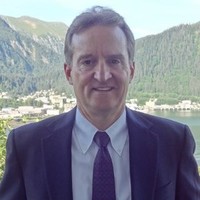
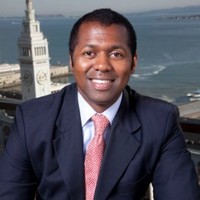
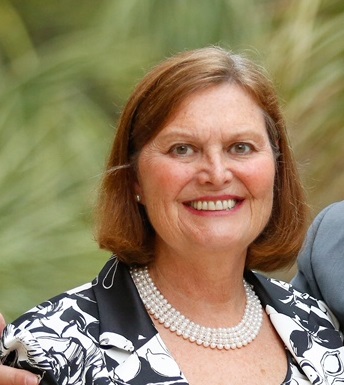
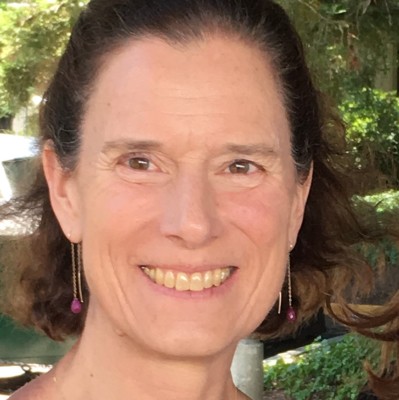
Members




























Events
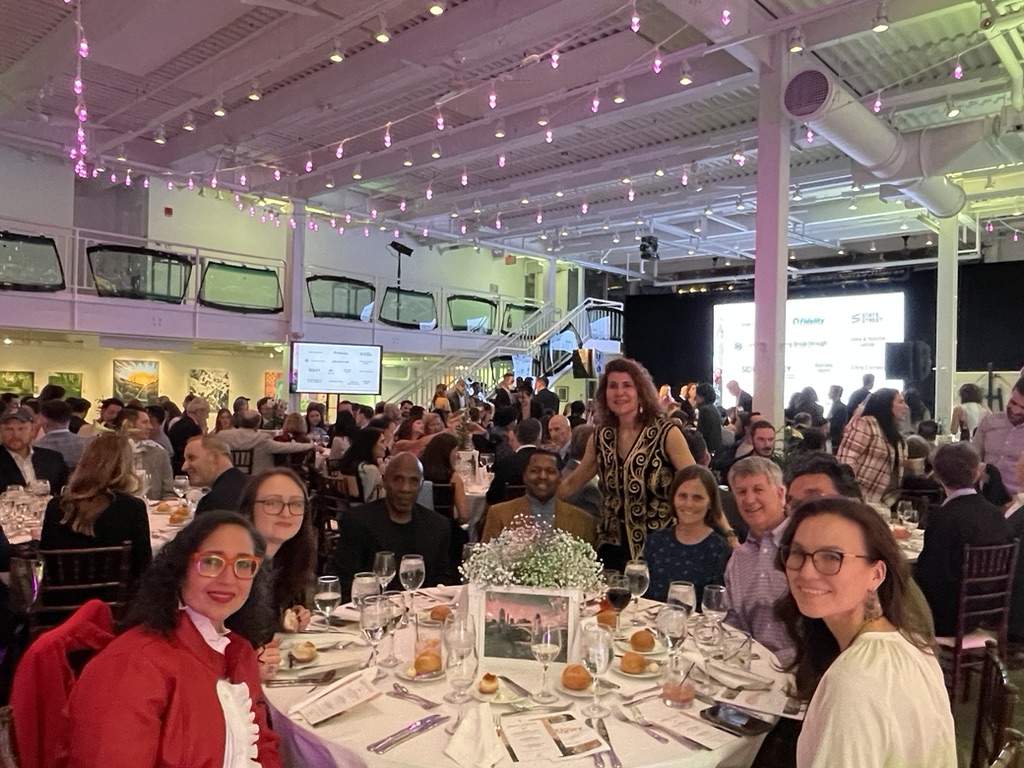
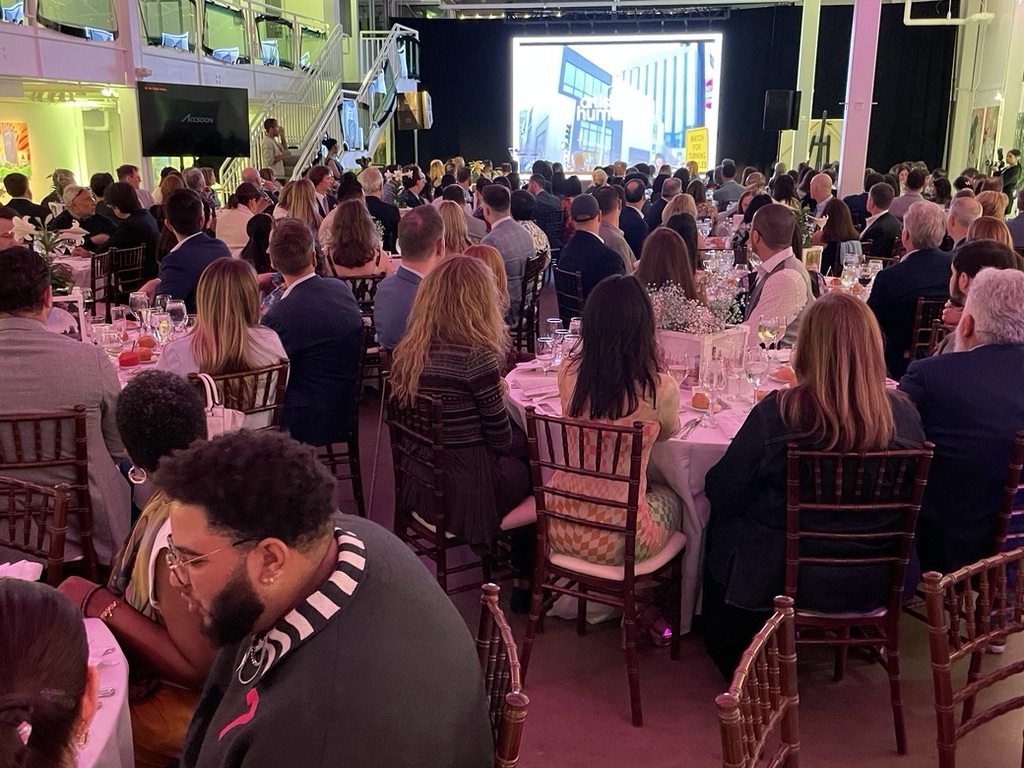
Through membership luncheon and dinner meetings, prominent speaker programs and social events, members share a special fellowship with each other as we continue to be informed centers of influence in our respective communities and professions.